
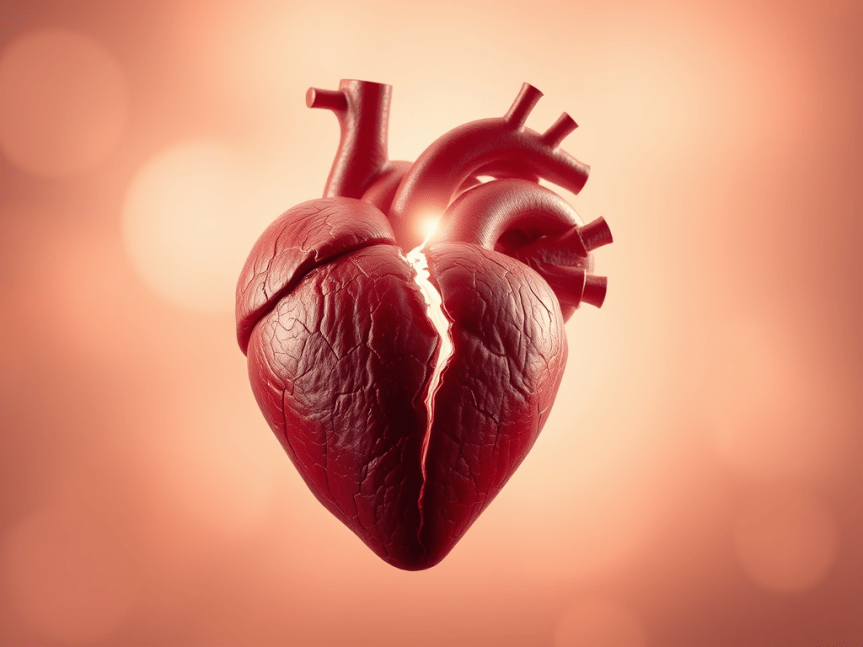
Valentine’s Day is a time to celebrate love, but for some, it can bring heartbreak—both emotional and physical. Did you know that extreme emotional stress can actually affect your heart in a condition known as Broken Heart Syndrome?
A Real Story of a Broken Heart
A few years ago, 62-year-old lady lost her husband unexpectedly. Overcome with grief, she began experiencing sudden chest pain and shortness of breath. Fearing a heart attack, her family rushed her to the hospital. After multiple tests, doctors diagnosed her with Takotsubo Cardiomyopathy, or Broken Heart Syndrome—a condition triggered by intense emotional stress. Thankfully, with proper care, she made a full recovery. Her story is a reminder that emotional pain can have real physical consequences.
Another case involved a middle-aged woman who, after a painful breakup, felt crushing chest pain and dizziness. She was diagnosed with Broken Heart Syndrome but recovered with counseling, medication, and lifestyle adjustments. Her story highlights the importance of emotional well-being and seeking timely medical care.
What Is Broken Heart Syndrome?
Also called Takotsubo Cardiomyopathy, Broken Heart Syndrome is a temporary heart condition triggered by intense emotional or physical stress. It was first described in Japan. It gets its name from the “takotsubo” pot, a traditional octopus trap. This is because the heart takes on a similar balloon-like shape during the episode.
What Causes It?
This condition is often triggered by severe stress, like:
- The loss of a loved one 💔
- A breakup or divorce
- A sudden shock or traumatic event
- Intense fear or anxiety
- Even happy surprises like winning a lottery 🎉
Symptoms of Broken Heart Syndrome
Broken Heart Syndrome can feel like a heart attack, with symptoms such as:
- Sudden chest pain 💥
- Shortness of breath
- Irregular heartbeats
- Fainting
How Is It Different from a Heart Attack?
While the symptoms may mimic a heart attack, Broken Heart Syndrome differs in key ways:
- No blocked arteries: Unlike a heart attack, there is no permanent damage or blockage in the heart’s arteries.
- Temporary condition: Most people recover fully within weeks with proper care.
- Triggered by stress: Emotional or physical stress is the main cause, rather than cholesterol buildup.
Who Is at Risk?
- More common in women, especially postmenopausal women
- People experiencing high emotional distress
- Those with a history of anxiety or depression
Recognizing the Right Time to Seek Help
Broken Heart Syndrome can mimic a heart attack. Seeking immediate medical help is crucial if you experience sudden chest pain. It is also crucial for difficulty breathing or fainting. Even if it turns out to be stress-related, ruling out a heart attack is essential.
For emotional distress, seek support if you or someone you know is experiencing:
- Persistent sadness or anxiety
- Difficulty sleeping or concentrating
- Loss of interest in daily activities
- Feelings of hopelessness
- Thoughts of self-harm or suicide
Seek support from a mental health professional. Talk to close friends or family. Consider stress-management techniques like meditation and counseling.
Treatment and Recovery
Most cases of Broken Heart Syndrome resolve on their own. Doctors may recommend:
Medical Care
- Beta-blockers or ACE inhibitors to support heart performance
- Anti-anxiety medications to help manage stress-related triggers
- Regular follow-ups to check heart health
Lifestyle Changes for Recovery
- Rest and stress management: Deep breathing, yoga, and meditation 🧘♀️
- Healthy diet and exercise: A heart-friendly diet with fresh fruits, vegetables, and regular walks
- Engaging in hobbies and social connections: Spending time with loved ones, joining a support group, or exploring creative outlets
Love Your Heart—Literally!
While love can heal, extreme emotional stress can hurt the heart. This Valentine’s season, remember to take care of your emotional and physical health. If you or someone you know experiences sudden chest pain, seek medical help right away!
💬 Have you or someone you know ever experienced stress affecting your health? What strategies do you use to manage emotional well-being? Share your tips in the comments below! ❤️ #HeartHealth #BrokenHeartSyndrome #LoveYourHeart
Discover more from LBS Healthcare
Subscribe to get the latest posts sent to your email.

Wonderful post 🎸thanks for sharing🎸
LikeLike