
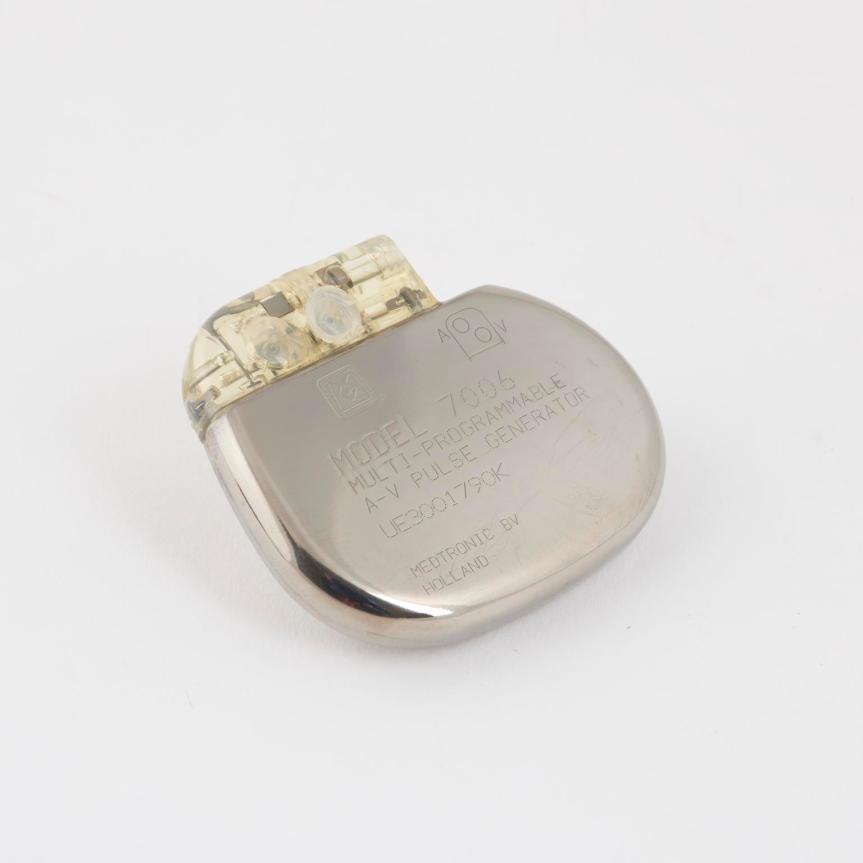
Pacemakers, implantable cardioverter-defibrillators (ICDs), and cardiac resynchronization therapy (CRT) devices are all innovative medical devices used to treat various heart conditions and rhythm disorders. While they share the goal of maintaining a steady heart rhythm, they are different in their functions and applications. Pacemaker: A pacemaker is a small electronic device that assists the heart … Continue reading Are All Pacemakers the Same? What is the Difference Between Pacemaker, ICD & CRT?
Category: Heart failure
Left Ventricle Hypertrophy: The Enlarged Heart

The heart is a vital organ responsible for pumping oxygen-rich blood to the rest of the body. In some cases, the left ventricle, the main pumping chamber of the heart, can become abnormally thickened and enlarged. This condition is known as left ventricle hypertrophy (LVH). What is Left Ventricle Hypertrophy? Left ventricle hypertrophy is a … Continue reading Left Ventricle Hypertrophy: The Enlarged Heart
Anemia in Heart Failure
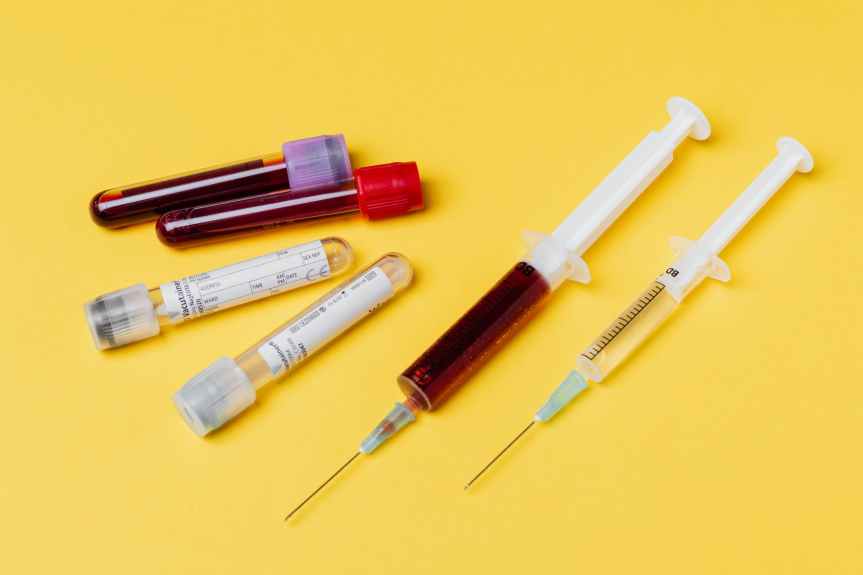
Anemia is a common condition characterized by a deficiency of red blood cells or hemoglobin in the bloodstream. When combined with heart failure, a chronic condition where the heart struggles to pump blood efficiently, anemia can exacerbate symptoms and negatively impact overall health. Understanding Anemia in Heart Failure: Anemia often coexists with heart failure, affecting … Continue reading Anemia in Heart Failure
How Much Water Can I Drink If I Have Heart Failure?
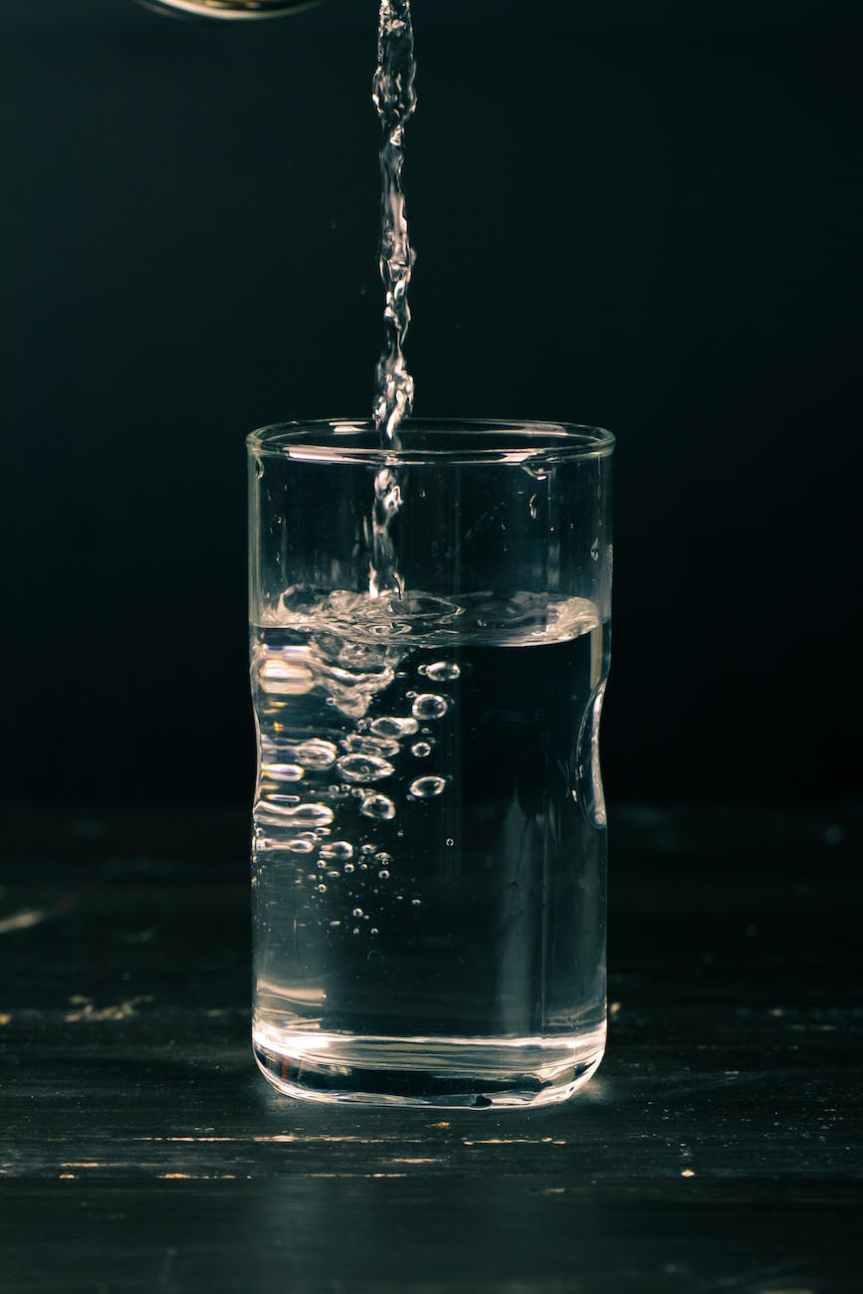
For individuals living with heart failure, managing fluid intake becomes a critical aspect of their daily routine. Fluid intake plays a vital role in maintaining overall health, but for those with heart failure, it's essential to strike a balance between staying hydrated and avoiding fluid overload. Understanding Fluid Restriction in Heart Failure: Heart failure is … Continue reading How Much Water Can I Drink If I Have Heart Failure?
