
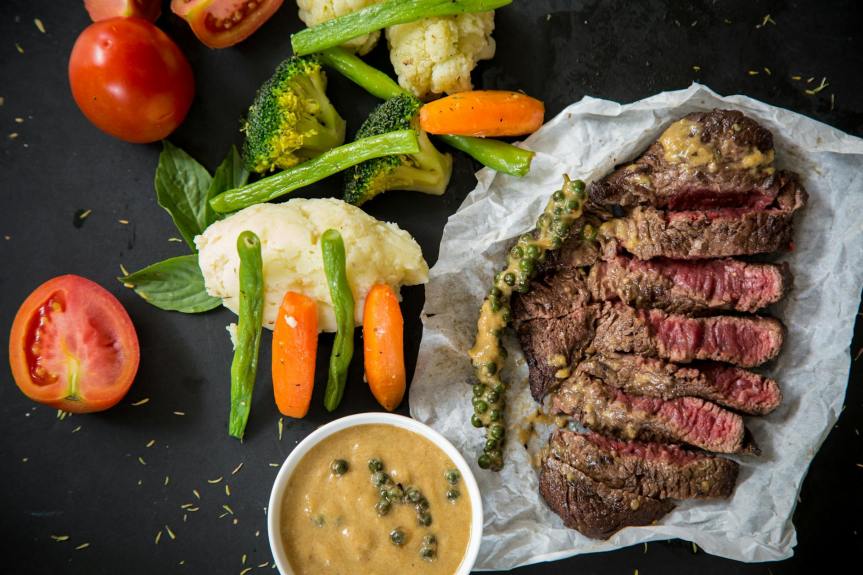
Proteins are vital for our overall well-being, serving as the building blocks for various bodily functions. When it comes to choosing protein sources, individuals often face the dilemma of whether to opt for plant-based or animal proteins. In the context of Indian food habits, let’s delve into the pros and cons of each, along with common sources.
Plant-Based Protein:
Common Sources in Indian Food:
- Lentils (Dal): A cornerstone of Indian cuisine, lentils come in various varieties such as masoor dal, moong dal, and toor dal. Packed with protein and fiber, lentils are a nutritious and versatile ingredient used in a myriad of dishes.
- Chickpeas (Chana): Whether it’s the classic chana masala or a refreshing chickpea salad, chickpeas are a staple in Indian households. Rich in protein and fiber, they contribute to both taste and nutrition.
- Soybeans: Soybeans and soy-based products like tofu and soy chunks are excellent plant-based protein sources. These are frequently used in Indian vegetarian dishes, providing a meat alternative with a complete amino acid profile.
- Paneer (Indian Cottage Cheese): A dairy product, paneer is widely utilized in Indian cooking. High in protein, it adds a creamy texture to dishes and is featured in various savory and sweet preparations.
Pros:
- Heart Health: Plant-based proteins are generally lower in saturated fats, promoting heart health. Lentils and chickpeas, in particular, offer cardiovascular benefits by reducing cholesterol levels.
- Rich in Fiber: Indian plant-based sources are rich in fiber, aiding digestion and helping to regulate blood sugar levels. This is beneficial for overall gut health.
Cons:
- Incomplete Amino Acid Profile: Some plant-based proteins may lack certain essential amino acids. Combining different plant sources, such as lentils and rice, can address this limitation.
- Digestive Challenges: Certain individuals may experience digestive issues with certain plant proteins. Proper preparation methods and gradual introduction into the diet can alleviate these challenges.
Animal Protein:
Common Sources in Indian Food:
- Chicken: A widely consumed and versatile meat, chicken is a rich source of high-quality protein. From curries to grills, it is a favorite in Indian kitchens.
- Fish: With India’s vast coastal regions, fish is a significant part of the cuisine. Besides being a protein source, it provides essential omega-3 fatty acids and various vitamins.
- Eggs: Eggs are a convenient and nutritious animal protein source. In Indian cuisine, they are used in a variety of dishes, from spicy curries to comforting egg biryani.
- Mutton: Mutton is a common red meat source in Indian cooking. While it offers protein and essential nutrients, moderation is crucial due to its higher saturated fat content.
Pros:
- Complete Amino Acid Profile: Animal proteins provide a complete set of essential amino acids, crucial for muscle growth and overall bodily functions.
- High Biological Value: Animal proteins, like those found in chicken and fish, have a higher biological value, meaning the body can absorb and utilize them more efficiently.
Cons:
- Saturated Fats and Cholesterol: Some animal proteins, especially red and processed meats, can be high in saturated fats and cholesterol. Excessive consumption may contribute to heart disease.
- Environmental Impact: The production of animal proteins has a significant environmental footprint, contributing to deforestation and greenhouse gas emissions.
In Indian food habits, a well-balanced diet often includes a combination of plant-based and animal proteins. Lentils, chickpeas, and soy-based products offer nutritious alternatives to traditional animal protein sources. A diverse and inclusive approach to protein intake ensures a broad spectrum of essential nutrients.
When making dietary choices, consider personal preferences, cultural influences, and health goals. Consulting with a healthcare professional or a dietitian with knowledge of Indian cuisine can provide personalized guidance. Embrace the richness of Indian food while maintaining a balanced and nutritious diet for optimal health and well-being.
Discover more from LBS Healthcare
Subscribe to get the latest posts sent to your email.
