
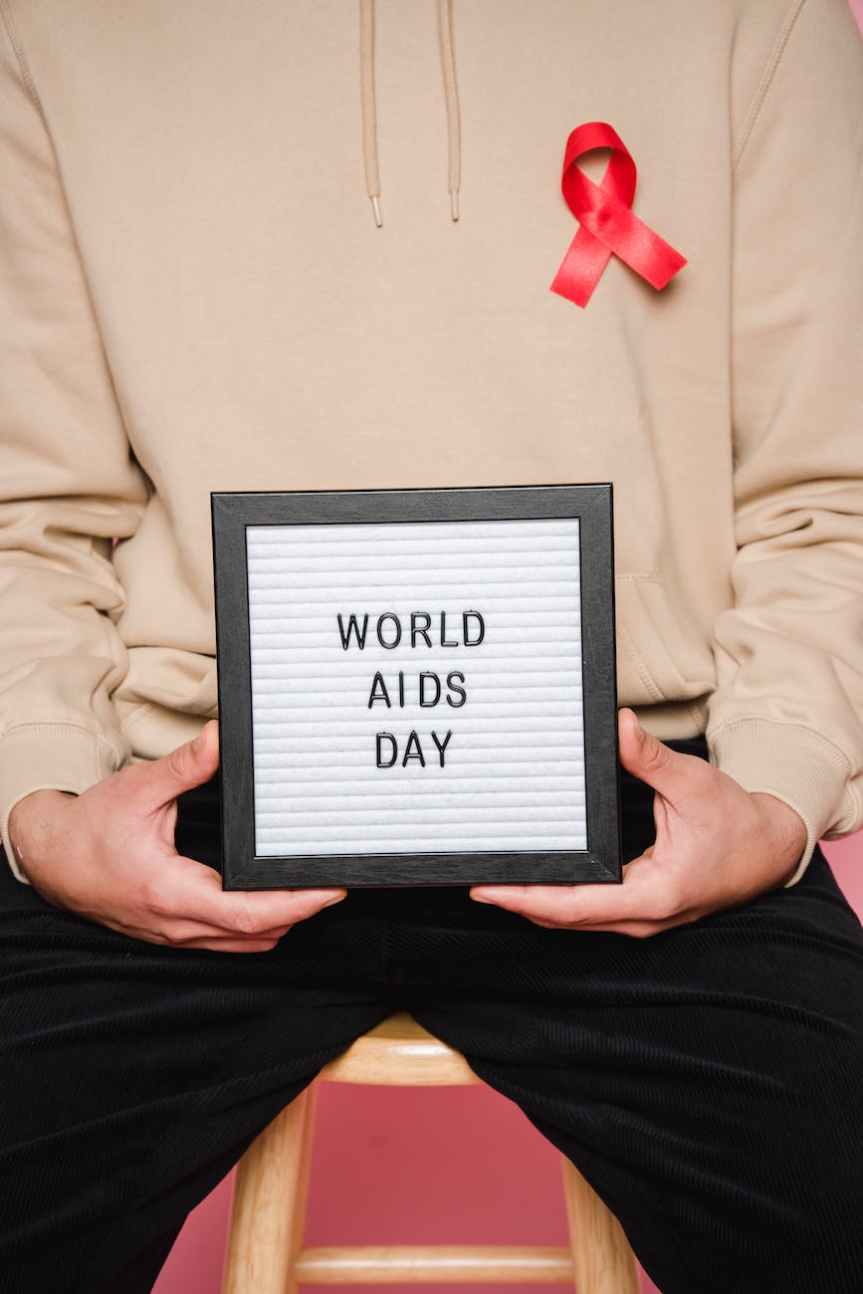
HIV (Human Immunodeficiency Virus) and AIDS (Acquired Immunodeficiency Syndrome) are terms often used interchangeably, but they refer to different stages of the same infection.
HIV: The Virus Behind AIDS
HIV is a virus that attacks the immune system, specifically the CD4 cells (T cells), which help the immune system fight off infections. If left untreated, HIV can lead to the disease known as AIDS. The virus is primarily transmitted through unprotected sexual intercourse, sharing of contaminated needles, and from mother to child during childbirth or breastfeeding.
Difference Between HIV and AIDS:
HIV is the virus, while AIDS is a condition. Not everyone who has HIV will develop AIDS. AIDS is the advanced stage of HIV infection, characterized by a severely compromised immune system and the occurrence of opportunistic infections or certain cancers.
Understanding the Stages:
- Acute HIV Infection: The initial stage after contracting the virus may present flu-like symptoms, such as fever, fatigue, and swollen lymph nodes. However, some individuals may not experience any symptoms during this stage.
- Clinical Latency: The virus continues to multiply at low levels, and this stage may last for several years. Without treatment, HIV gradually weakens the immune system.
- AIDS: AIDS is diagnosed when the immune system is severely damaged, and the individual is vulnerable to various infections and diseases that a healthy immune system would typically fight off.
Prevention Strategies:
- Safe Sexual Practices: Consistent and correct use of condoms during sexual intercourse is an effective way to prevent the sexual transmission of HIV.
- Needle Safety: Avoid sharing needles or syringes for drug use or other purposes. If injection drug use is a concern, seek assistance from healthcare professionals for harm reduction strategies.
- Testing and Early Treatment: Regular HIV testing is crucial for early detection. Early diagnosis allows for timely medical intervention, which can slow down the progression of the virus.
- Prevention of Mother-to-Child Transmission: Pregnant women with HIV can reduce the risk of transmitting the virus to their babies by receiving antiretroviral therapy during pregnancy and childbirth, as well as avoiding breastfeeding.
- Education and Awareness: Promoting awareness about HIV and AIDS, breaking stigma, and encouraging open communication can contribute to prevention efforts.
Understanding the differences between HIV and AIDS is essential for promoting awareness and adopting preventive measures. By incorporating safe practices and seeking early medical intervention, individuals can manage HIV effectively and reduce the risk of progressing to AIDS. Regular testing, education, and open communication play pivotal roles in the collective effort to combat the spread of HIV and AIDS.
Discover more from LBS Healthcare
Subscribe to get the latest posts sent to your email.
