
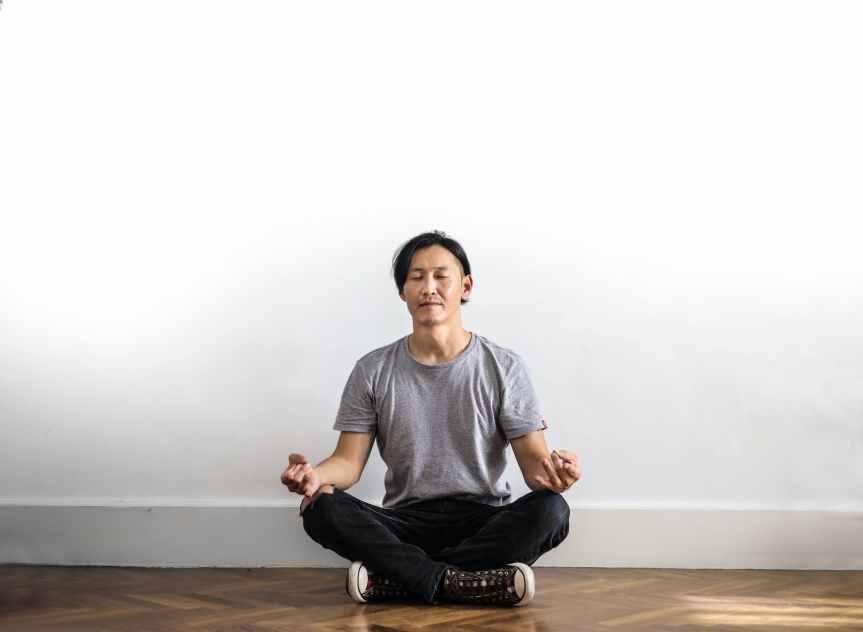
Hypertension, or high blood pressure, is a silent but potentially deadly condition that affects millions of people worldwide. It’s often called the “silent killer” because it can go unnoticed for years while silently damaging our arteries and increasing the risk of serious health issues like heart disease and stroke. However, there’s good news – a simple yet effective approach to managing hypertension lies in the practices of meditation and mindfulness.
Understanding Hypertension:
Before delving into how meditation and mindfulness can help, it’s essential to understand what hypertension is. Blood pressure measures the force of blood against the walls of your arteries. When this force is consistently too high, it can damage these arteries, increasing the risk of various health problems.
The Role of Stress:
One significant contributor to hypertension is stress. The demands of modern life, work pressures, and personal challenges can all lead to chronic stress. When stressed, our bodies release hormones that can increase blood pressure. Over time, this can lead to hypertension.
Meditation and Hypertension:
Meditation is an ancient practice that involves focusing the mind on a particular object, thought, or activity to train attention and awareness, and achieve a mentally clear and emotionally calm state. It has been shown to have a profound impact on reducing stress and, consequently, hypertension.
- Stress Reduction: Meditation can help lower the production of stress hormones, calming the nervous system and reducing blood pressure.
- Improved Blood Circulation: Meditation encourages relaxation, which, in turn, can help improve blood flow and reduce strain on the heart.
- Better Sleep: Poor sleep patterns are often associated with hypertension. Meditation can promote better sleep, which is crucial for overall heart health.
Mindfulness and Hypertension:
Mindfulness, closely related to meditation, is about being fully present and aware in the moment without judgment. It can be a powerful tool in managing hypertension.
- Stress Reduction: Mindfulness practices help individuals become more aware of their reactions to stress and develop healthier responses.
- Healthy Eating: Mindful eating can lead to better food choices, which is essential for managing blood pressure.
- Physical Activity: Mindfulness can encourage regular physical activity, which can have a positive impact on blood pressure.
How to Start:
- Find a Quiet Place: To begin your meditation or mindfulness journey, find a quiet space where you won’t be disturbed.
- Start Slow: You don’t need to meditate for hours. Start with just a few minutes each day and gradually increase the duration.
- Guided Sessions: Many apps and online resources offer guided meditation and mindfulness sessions. These can be helpful for beginners.
- Consistency: The key to success is consistency. Make it a daily practice.
- Consult Your Doctor: If you have hypertension or other medical conditions, consult your doctor before starting any new wellness practices.
Meditation and mindfulness are simple yet powerful tools in the prevention and treatment of hypertension. By incorporating these practices into your daily life, you can reduce stress, improve your overall well-being, and take proactive steps towards better heart health. Remember, it’s never too late to start, and small changes can make a big difference in your journey to managing hypertension.
So, why not take a few moments each day to meditate and be mindful? Your heart will thank you for it.
Discover more from LBS Healthcare
Subscribe to get the latest posts sent to your email.
