
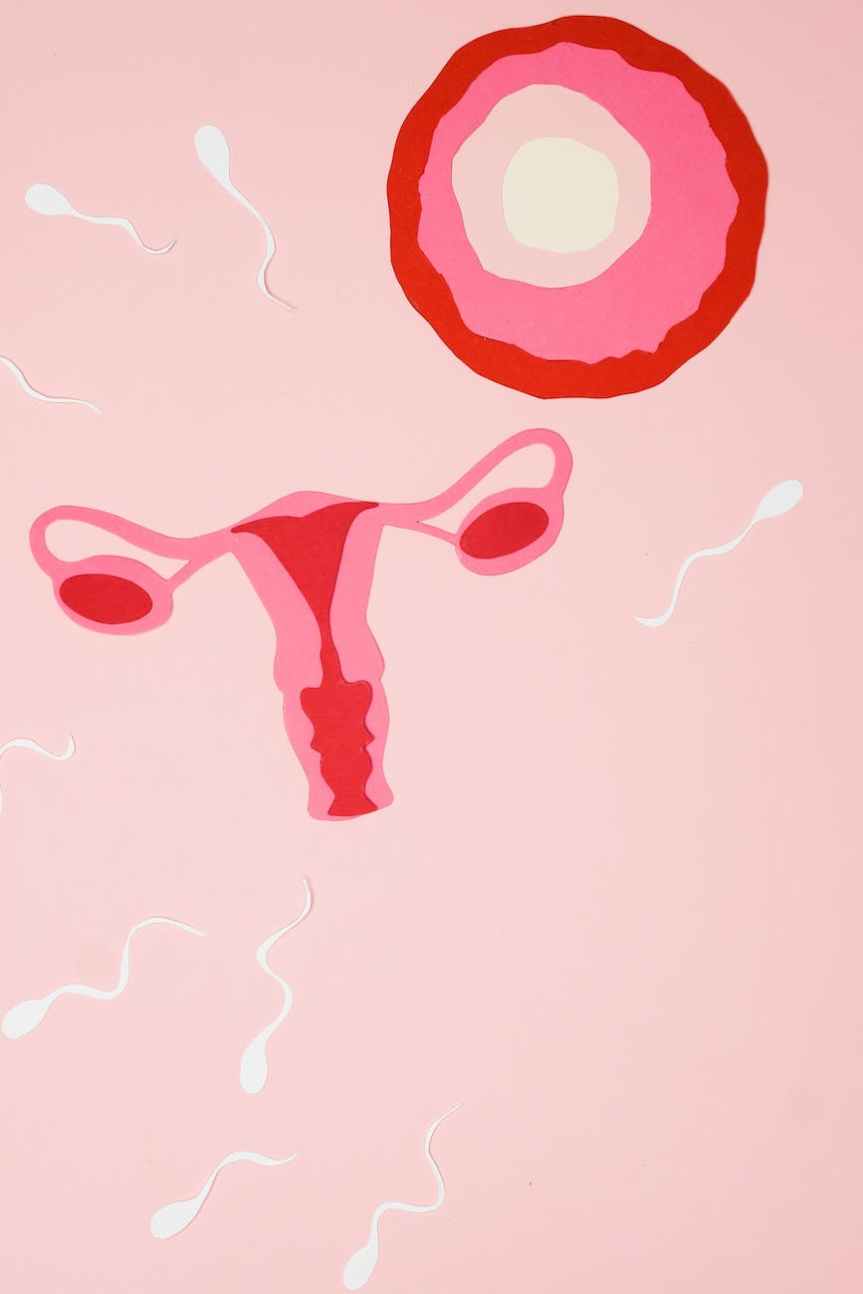
PCOS, or Polycystic Ovary Syndrome, might sound complicated, but let’s break it down in simple terms for everyone to understand. PCOS is a common health condition that affects many women, and it’s essential to know what it is, what causes it, and how it can be managed.
What is PCOS?
PCOS is a hormonal disorder that can affect women during their reproductive years. It gets its name from small, fluid-filled sacs or cysts that can develop on the ovaries. These cysts are not harmful by themselves, but they are a sign of hormonal imbalances.
What Causes PCOS?
The exact cause of PCOS is not clear, but it seems to involve a combination of genetic and environmental factors. One of the key factors is insulin resistance, where the body doesn’t respond well to insulin, leading to higher insulin levels in the blood. This can trigger the ovaries to produce more androgens, which are male hormones, and that can disrupt the normal menstrual cycle.
Common Symptoms:
- Irregular Periods: Women with PCOS often have irregular menstrual cycles, which means their periods may be less frequent or unpredictable.
- Excess Hair Growth: Increased androgens can lead to excess hair growth on the face, chest, or other parts of the body.
- Acne and Oily Skin: Hormonal changes can also cause skin problems like acne and oily skin.
- Weight Gain: Many women with PCOS struggle with weight gain or find it challenging to lose weight.
- Fertility Issues: PCOS can make it more difficult for some women to get pregnant.
How is PCOS Managed?
The good news is that PCOS can be managed effectively. Here are some steps you can take:
- Lifestyle Changes: Maintaining a healthy weight through diet and exercise can help improve insulin sensitivity and reduce symptoms.
- Medications: Your doctor may prescribe medications to regulate your menstrual cycle, reduce hair growth, or help you ovulate if you’re trying to conceive.
- Diet: Eating a balanced diet with plenty of fruits, vegetables, and whole grains can help manage insulin levels.
- Regular Check-ups: It’s essential to see your healthcare provider regularly for check-ups and monitoring of your PCOS.
Remember, PCOS is a manageable condition, and with the right support and lifestyle changes, you can lead a healthy and fulfilling life. If you suspect you have PCOS or are experiencing any of the symptoms mentioned, don’t hesitate to reach out to a healthcare professional for guidance and support. Your health matters, and there are solutions available to help you manage PCOS effectively.
Discover more from LBS Healthcare
Subscribe to get the latest posts sent to your email.
