
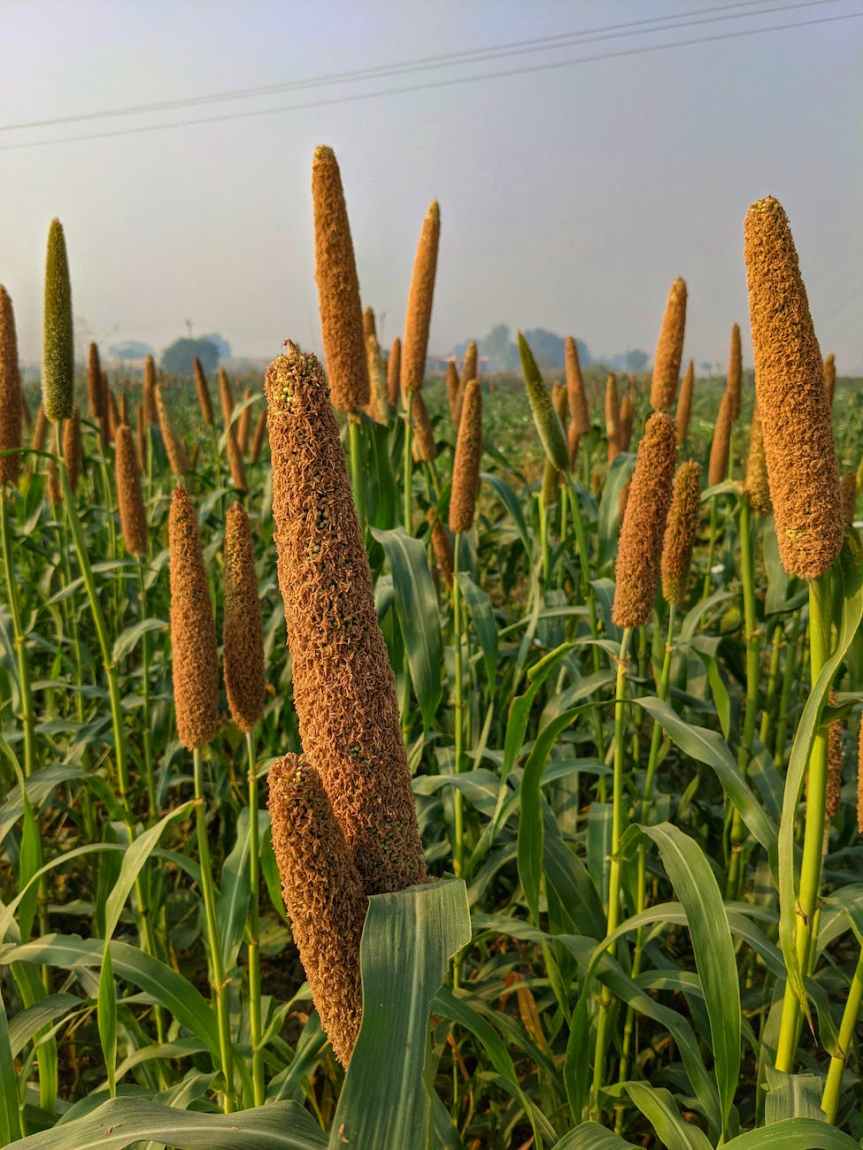
In the world of nutrition, one term that has been gaining popularity recently is “millets.” These tiny grains may be small in size, but they pack a big punch when it comes to health benefits.
What Are Millets?
Millets are a group of small-seeded grains that have been cultivated for thousands of years. They are known for their resilience in various environmental conditions and are a staple in many parts of the world, including India. Millets are gluten-free and rich in essential nutrients, making them an excellent choice for a wholesome diet.
Important Millet Varieties
There are several types of millets available, each with its own unique benefits. Here are some of the most commonly used millets, including their common names:
- Pearl Millet (Bajra): Pearl millet is widely grown in India and is a rich source of iron and protein. It’s often used to make rotis and porridge.
- Foxtail Millet (Kangni): This millet is a great source of carbohydrates and dietary fiber. It can be used to prepare various dishes, including upma and dosa.
- Sorghum (Jowar): Sorghum is known for its high calcium and phosphorus content. It’s used to make rotis and porridge and is also a key ingredient in making jaggery.
- Finger Millet (Ragi): Finger millet is an excellent source of calcium and iron. It’s often used to make ragi malt, dosa, and biscuits.
- Little Millet (Kutki): Little millet is rich in dietary fiber and is a good source of essential minerals. It can be used in place of rice in various recipes.
- Barnyard Millet (Sanwa): Barnyard millet is known for its low glycemic index and high protein content. It’s a suitable replacement for rice and can be used in salads and stir-fries.
- Proso Millet (Cheena, Baragu): Proso millet is versatile and can be used to make pulao, porridge, and even baked goods.
- Kodo Millet (Kodra, Varagu): Kodo millet is rich in antioxidants and is used in traditional South Indian dishes like dosa and idli.
Benefits for Heart Health
Now, let’s talk about the heart-healthy benefits of incorporating millets into your diet:
- Low in Saturated Fat and Cholesterol: Millets are naturally low in saturated fat and cholesterol, which are known to contribute to heart disease. By replacing high-fat foods with millets, you can help reduce your risk of cardiovascular issues.
- Rich in Dietary Fiber: Millets are exceptionally high in dietary fiber, which plays a vital role in heart health. The soluble fiber in millets helps lower levels of LDL cholesterol (often referred to as “bad” cholesterol) in the blood, which can reduce the risk of arterial blockages and heart attacks.
- Blood Pressure Regulation: Millets are a good source of magnesium and potassium, two minerals that are essential for maintaining healthy blood pressure levels. Magnesium helps relax blood vessels, while potassium counteracts the effects of sodium, helping to keep blood pressure in check.
- Reduced Risk of Diabetes: High-fiber foods like millets have a low glycemic index, which means they are digested slowly, leading to gradual increases in blood sugar levels. This can help prevent the spikes and crashes in blood sugar that are associated with an increased risk of type 2 diabetes—a condition that can elevate the risk of heart disease.
- Anti-Inflammatory Properties: Some millets, such as finger millet (ragi), contain antioxidants that have anti-inflammatory properties. Chronic inflammation is a known contributor to heart disease, so consuming foods that combat inflammation can be beneficial for heart health.
- Weight Management: Millets can assist in weight management, which is closely tied to heart health. Their high-fiber content helps you feel full and satisfied, reducing the likelihood of overeating and weight gain, which can strain the heart.
- Improved Digestive Health: The fiber in millets also supports healthy digestion. A healthy gut is associated with better overall health, including a reduced risk of heart disease.
- Lower Risk of Stroke: Regular consumption of millets may lower the risk of stroke, as their nutrient profile supports healthy blood vessels and proper blood flow to the brain.
How to Include Millets in Your Routine
Incorporating millets into your daily diet is easier than you might think. Here are some simple ways to enjoy millets:
- Replace Rice with Millets: Instead of rice, try cooking millets like foxtail millet or little millet as a side dish for your meals.
- Millets for Breakfast: Prepare nutritious breakfast options like millet porridge, upma, or idlis using millet flour.
- Snack on Millet-Based Products: Look for snacks made from millet flour, such as millet biscuits or chips.
- Mix with Grains: Blend millets with other grains like rice or wheat when making rotis or bread.
- Millets in Soups and Salads: Add cooked millets to your soups and salads for an extra nutritional boost.
Millets are a powerhouse of nutrition, and with the wide variety available, you have plenty of options to choose from. These grains offer a delicious way to prioritize your cardiovascular health while enjoying a variety of tasty dishes. So, don’t hesitate to make millets a regular part of your daily meals and experience the benefits they can bring to your heart and overall well-being.
Discover more from LBS Healthcare
Subscribe to get the latest posts sent to your email.
