
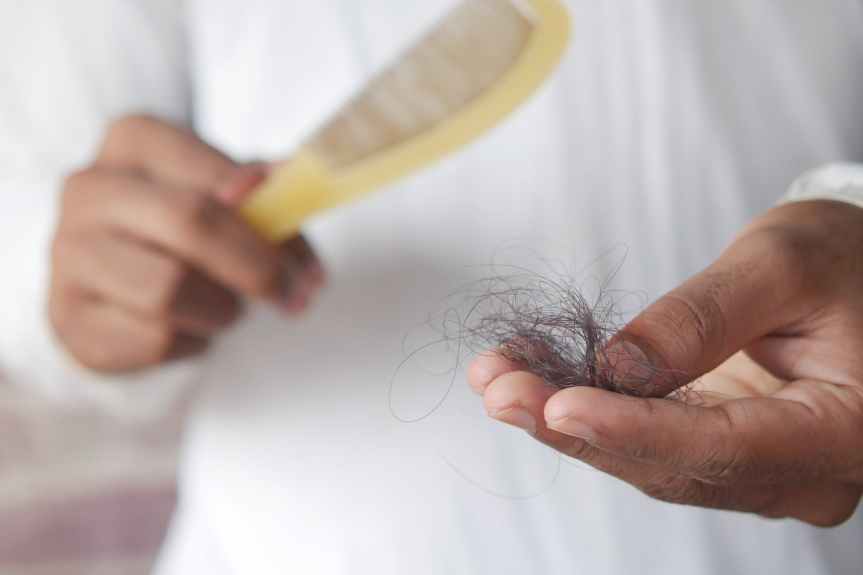
Hair is more than just a fashion statement; it’s a part of our identity and self-esteem. However, for many people, hair loss can be a challenging reality. One common cause of hair loss, especially in men, is Androgenic Alopecia.
What is Androgenic Alopecia?
Androgenic Alopecia, often referred to as male pattern baldness or female pattern baldness, is a hereditary condition that leads to hair thinning and loss. It affects both men and women, but the patterns of hair loss can differ.
Causes of Androgenic Alopecia:
- Genetic Predisposition: Family history plays a significant role. If your parents or grandparents experienced hair loss, you may be genetically predisposed to it.
- Hormonal Factors: Androgenic Alopecia is linked to the hormone dihydrotestosterone (DHT). DHT can shrink hair follicles, making it difficult for healthy hair to grow.
- Age: Hair loss often becomes more noticeable as people age, with symptoms usually starting in the late 20s or early 30s for men and later for women.
- Gender: Men are more commonly affected by Androgenic Alopecia than women. In men, it typically results in a receding hairline and balding on the crown. In women, it leads to diffuse thinning of hair.
Treatment Options for Androgenic Alopecia:
While Androgenic Alopecia may be hereditary and challenging to prevent entirely, there are several effective treatment options available:
- Medications: Consult a healthcare professional before starting any medication.
- Minoxidil: A topical solution or foam applied directly to the scalp that can slow down hair loss and promote regrowth.
- Finasteride: An oral medication that can inhibit the action of DHT, helping to prevent further hair loss.
- Low-Level Laser Therapy (LLLT):
- LLLT devices use low-level lasers or light-emitting diodes to stimulate hair follicles and encourage hair growth.
- Platelet-Rich Plasma (PRP) Therapy:
- PRP involves drawing a small amount of your blood, processing it to concentrate the platelets, and then injecting the PRP into your scalp to stimulate hair follicles.
- Hair Transplants:
- Surgical procedures like hair transplantation can restore hair in areas of baldness or thinning by grafting healthy hair follicles from one part of the body to the affected area.
- Hair Care:
- Use gentle shampoos and conditioners designed for your hair type.
- Avoid excessive heat styling or tight hairstyles that can stress the hair shaft.
- Lifestyle:
- Eat a balanced diet rich in vitamins and minerals, including biotin and iron, which are essential for hair health.
- Exercise regularly and manage stress to promote overall well-being and hair growth.
- Acceptance:
- Embrace your natural beauty and consider hairstyles that work with your hair’s current state.
Androgenic Alopecia is a common condition that affects people of all genders. While it can be disheartening, it’s essential to remember that you’re not alone, and there are various treatments and strategies available to help manage hair loss. If you’re concerned about hair loss, consult a dermatologist who can provide guidance and personalized solutions. Ultimately, confidence and self-acceptance are key to feeling good about yourself, no matter what your hair looks like.
Discover more from LBS Healthcare
Subscribe to get the latest posts sent to your email.
