
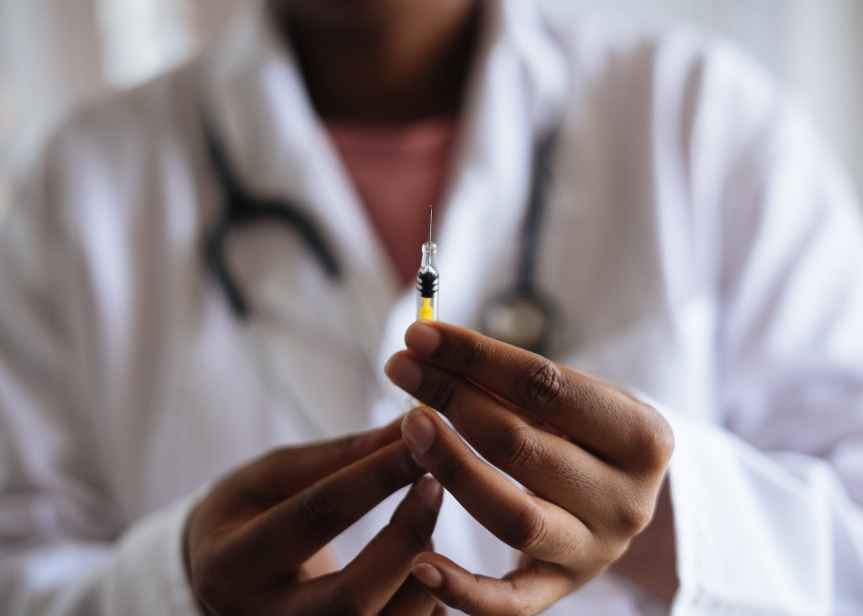
Shingles (Herpes Zoster), a painful and often debilitating viral infection, can strike anyone who has previously had chickenpox. Fortunately, medical science has developed a powerful weapon against this ailment: the shingles vaccine.
Understanding Shingles:
Shingles, medically known as herpes zoster, is caused by the reactivation of the varicella-zoster virus, which also causes chickenpox. After recovering from chickenpox, the virus can lay dormant in nerve cells for years before resurging as shingles. It is characterized by a painful rash, usually appearing as a band or strip on one side of the body, often accompanied by flu-like symptoms.
The Importance of the Shingles Vaccine:
The shingles vaccine, also called the herpes zoster vaccine, is a crucial tool in preventing shingles and its associated complications. It works by boosting the immune system’s ability to fight off the reactivated virus, reducing the risk of an outbreak and lessening the severity of symptoms if an outbreak does occur.
Who Should Get Vaccinated:
The shingles vaccine is recommended for specific age groups and individuals, including:
- Adults Over 50: The risk of shingles increases with age, particularly after the age of 50. The vaccine is strongly recommended for adults in this age group to prevent the onset of shingles.
- Those with Weakened Immune Systems: Individuals with weakened immune systems due to medical conditions or treatments, such as cancer or organ transplants, are at a higher risk of severe shingles. Vaccination can provide an added layer of protection for these vulnerable individuals.
- Those Who Have Had Chickenpox: If you’ve had chickenpox in the past, you are at risk of developing shingles. The vaccine can help reduce this risk and the potential for debilitating symptoms.
Benefits of the Shingles Vaccine:
- Prevention of Shingles: The primary benefit of the vaccine is its ability to significantly reduce the risk of developing shingles.
- Reduced Pain and Complications: If an outbreak does occur, vaccinated individuals are likely to experience milder symptoms and a reduced risk of postherpetic neuralgia, a painful condition that can persist after the rash clears.
- Economic and Healthcare Savings: By preventing shingles, the vaccine reduces the need for medical care, hospitalization, and long-term treatment, resulting in cost savings for individuals and healthcare systems.
Dispelling Concerns and Misinformation:
Misconceptions about vaccine safety can lead to hesitation. However, the shingles vaccine has undergone thorough testing and is generally safe and well-tolerated. Serious side effects are rare, and the benefits of vaccination far outweigh any potential risks.
The shingles vaccine is a valuable tool in protecting yourself from the pain and complications of shingles. By getting vaccinated, you not only safeguard your health but also contribute to a healthier community by reducing the spread of the virus. Consult your healthcare provider to determine if the shingles vaccine is right for you, especially if you’re over 50 or fall into one of the high-risk categories. Embrace the opportunity to shield yourself against shingles and enjoy a life free from the burden of this painful condition. Your health is worth the proactive step of vaccination!
Discover more from LBS Healthcare
Subscribe to get the latest posts sent to your email.
