
When it comes to heart health, early detection of potential issues can make a significant difference. Stress thallium, also known as thallium-201 myocardial perfusion imaging, is a valuable diagnostic test that can help doctors evaluate blood flow to the heart and identify potential heart problems.
What is Stress Thallium?
Stress thallium is a non-invasive nuclear imaging test used to assess the blood flow to the heart muscle. It involves the injection of a safe, radioactive isotope of thallium into the bloodstream. The test is conducted while the patient is at rest and then again during physical stress, which can be achieved through exercise or medication.
How Does Stress Thallium Work?
The stress thallium procedure is usually conducted in two parts – the rest and stress phases.
- Rest Phase:
During the rest phase, the patient will be asked to lie down and relax in a comfortable position. The radioactive thallium is then injected into the bloodstream. The thallium travels through the bloodstream and is taken up by the heart muscle, where it accumulates in proportion to the blood flow to different areas of the heart. - Stress Phase:
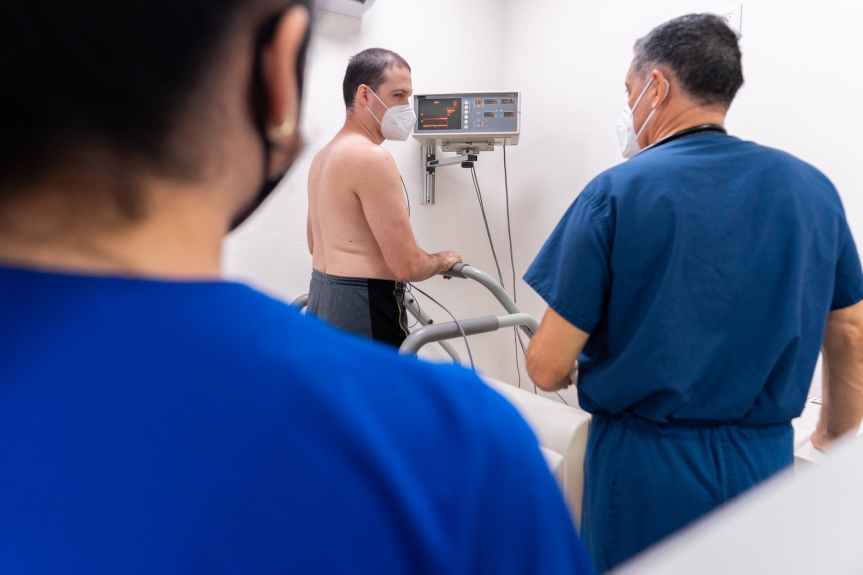
In the stress phase, the goal is to mimic the increased demands on the heart that occur during physical activity. The patient will either be asked to exercise on a treadmill or receive medication that simulates the effects of exercise. This causes the heart to pump faster and harder, increasing blood flow to meet the body’s demand for oxygen. The second dose of radioactive thallium is then administered, and images are taken to compare the blood flow during rest and stress.
The Imaging Process:
After both phases, specialized cameras called gamma cameras or SPECT (single-photon emission computed tomography) scan the heart. These cameras detect the radioactive signals emitted by the thallium, creating detailed images that show the distribution of blood flow to different areas of the heart. The images are then analyzed by cardiologists to identify any potential abnormalities.
Benefits of Stress Thallium:
- Early Detection of Coronary Artery Disease (CAD): CAD occurs when fatty deposits build up in the arteries that supply blood to the heart, leading to reduced blood flow. Stress thallium testing is highly sensitive test that can identify areas of the heart with reduced blood flow to the heart muscle, indicating potential blockages or narrowed arteries. Early detection allows doctors to implement appropriate treatments and lifestyle changes to prevent further complications.
- Evaluation of Exercise Capacity: The stress component of the test allows doctors to gauge a patient’s exercise capacity and cardiovascular response under stress. This information helps in assessing overall heart health and fitness levels.
- Risk Stratification: Stress thallium testing aids in stratifying patients based on their risk of heart disease. It helps identify individuals at higher risk who may need further investigation or intervention.
- Treatment Planning: The results of the test help doctors determine the most appropriate treatment plan for patients with heart conditions. It may include lifestyle changes, medications, or, in some cases, surgical interventions like angioplasty or coronary bypass surgery.
- Monitoring Progress: For patients with known heart conditions, stress thallium testing can be used to monitor their progress and the effectiveness of their treatment over time.
- Non-Invasive and Safe:
Stress thallium is a non-invasive procedure, meaning it does not require any incisions or instruments inside the body. The amount of radioactive thallium used is carefully controlled and considered safe for diagnostic purposes. - Tailored Approach:
Stress thallium allows doctors to tailor the test to individual patients based on their ability to exercise. If a patient is unable to perform physical activity, medications can be used to stress the heart instead.
Preparing for the Stress Thallium Test & what to Expect During the Procedure:
Before undergoing stress thallium testing, patients should follow specific instructions provided by their healthcare providers. These may include:
- Avoiding food, caffeine, and smoking for a few hours before the test.
- Fasting for a few hours before test is prefrable
- Informing the healthcare team about any medications or allergies.
- Wearing comfortable clothing and appropriate footwear for exercise-based stress testing.
During the procedure, you will be continuously monitored by medical professionals to ensure your safety.
Stress thallium is a valuable diagnostic tool in assessing heart health and detecting potential problems. It offers numerous benefits, including early detection and a non-invasive approach. Regular check-ups and diagnostic tests like stress thallium testing can aid in maintaining a healthy heart and prevent potential complications. If your doctor recommends a stress thallium test, it is essential to follow their instructions and understand that the procedure aims to improve your heart health and overall well-being. As with any medical test, discussing any concerns or questions with your healthcare provider is vital to ensure you have a complete understanding of the process.
Discover more from LBS Healthcare
Subscribe to get the latest posts sent to your email.
