
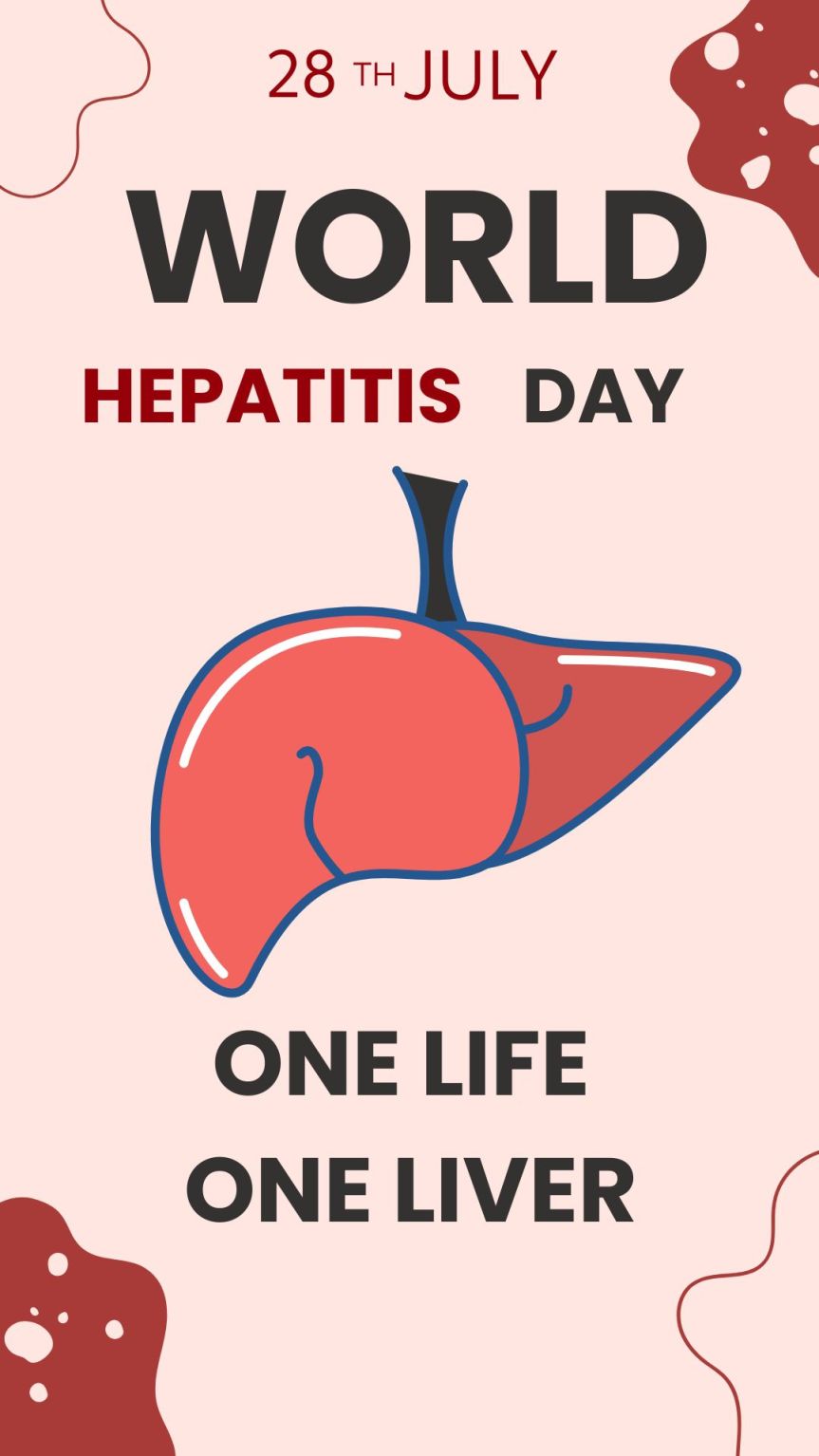
Hepatitis is a term that refers to inflammation of the liver, a vital organ responsible for processing nutrients, detoxifying the body, and producing essential proteins. It can be caused by various factors, including viruses, alcohol consumption, and certain medications. While some cases of hepatitis are mild and resolve on their own, others can lead to serious liver damage and long-term health complications.
Types of Hepatitis: There are several types of hepatitis, but the most common ones include:
- Hepatitis A: Hepatitis A is typically contracted through contaminated food or water and is prevalent in areas with poor sanitation. It is an acute infection that does not lead to chronic liver disease.
- Hepatitis B: Hepatitis B is transmitted through infected bodily fluids, such as blood, semen, or vaginal fluids. It can be acute or chronic, with chronic infections posing a higher risk of liver damage.
- Hepatitis C: Hepatitis C is mainly transmitted through exposure to infected blood, often through sharing needles or receiving blood transfusions with unscreened blood. It can also become chronic, leading to severe liver problems.
- Hepatitis D: Also known as delta hepatitis, this type of hepatitis only affects individuals already infected with hepatitis B. It is a rare but severe form of the disease.
- Hepatitis E: Similar to hepatitis A, hepatitis E is primarily spread through contaminated food and water. It is more common in developing countries and usually resolves on its own.
Causes of Hepatitis:
Hepatitis can be caused by a variety of factors, with viral infections being the most common. Viral hepatitis, particularly hepatitis A, B, and C, is transmitted through various routes, including:
- Ingesting contaminated food or water (hepatitis A and E)
- Contact with infected bodily fluids (hepatitis B and C)
- Sharing needles or equipment used for injecting drugs
- Receiving unscreened blood or blood products
- Unprotected sexual contact with an infected person (hepatitis B and C)
Other non-viral causes of hepatitis include excessive alcohol consumption, certain medications, toxins, and autoimmune diseases, where the body’s immune system mistakenly attacks the liver.
Symptoms of Hepatitis:
The symptoms of hepatitis can vary depending on the type and severity of the infection. Some common symptoms include:
- Fatigue and weakness
- Jaundice (yellowing of the skin and eyes)
- Abdominal pain and discomfort
- Loss of appetite
- Nausea and vomiting
- Dark-colored urine
- Clay-colored stools
- Joint pain
However, in some cases, especially during the early stages or with mild infections, hepatitis may not cause noticeable symptoms, making regular testing and screenings essential, especially for high-risk individuals.
Prevention of Hepatitis:
Preventing hepatitis involves adopting certain lifestyle practices and taking preventive measures:
- Vaccination: Vaccines are available for hepatitis A and B and are recommended, especially for individuals at higher risk.
- Safe Hygiene: Practice good hygiene, including washing hands thoroughly with soap and water, avoiding contaminated food and water, and using protection during sexual activity.
- Avoid Sharing Needles: Avoid sharing needles or equipment used for injecting drugs to reduce the risk of hepatitis C transmission.
- Safe Blood Transfusions: Ensure blood transfusions and medical procedures involving needles use properly screened and sterile equipment.
- Limit Alcohol Consumption: Excessive alcohol consumption can harm the liver, making it important to drink in moderation or abstain altogether.
Hepatitis is a serious condition that can have varying consequences, ranging from mild to severe liver damage. Understanding the different types of hepatitis, their causes, symptoms, and preventive measures is crucial for promoting liver health and overall well-being. By practicing safe hygiene, seeking vaccination, and avoiding risky behaviors, individuals can take proactive steps to protect themselves from hepatitis and its potential complications. Regular medical check-ups and screenings can also aid in early detection and prompt treatment, contributing to a healthier and more informed community.
Discover more from LBS Healthcare
Subscribe to get the latest posts sent to your email.
