
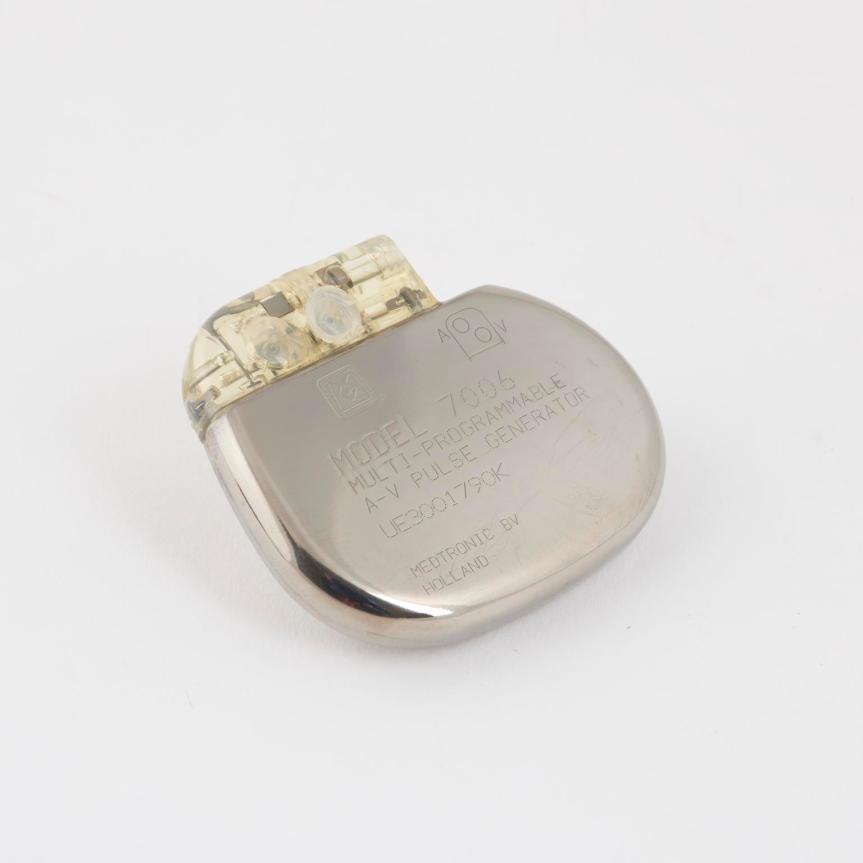
Pacemakers, implantable cardioverter-defibrillators (ICDs), and cardiac resynchronization therapy (CRT) devices are all innovative medical devices used to treat various heart conditions and rhythm disorders. While they share the goal of maintaining a steady heart rhythm, they are different in their functions and applications.
Pacemaker:
A pacemaker is a small electronic device that assists the heart in maintaining a regular rhythm. It consists of a battery-powered generator and one or more leads (thin, insulated wires). The leads are implanted into the heart’s chambers, and the generator is usually placed under the skin in the chest or abdomen.
How it Works: When the pacemaker detects an abnormal heart rhythm or a slow heartbeat (bradycardia), it sends electrical signals through the leads to stimulate the heart muscle, prompting it to beat at a normal rate. This ensures adequate blood flow and oxygen supply to the body.
Who Needs a Pacemaker? Pacemakers are typically prescribed for individuals with bradycardia, heart block, or other rhythm abnormalities that lead to a slow or irregular heartbeat.
Implantable Cardioverter-Defibrillator (ICD):
An ICD is a more sophisticated device than a pacemaker and serves multiple functions. Like a pacemaker, it also consists of a generator and leads. However, its primary role is to monitor and correct dangerous heart rhythms, including fast and potentially life-threatening ones such as ventricular tachycardia and ventricular fibrillation.
How it Works: When the ICD detects a dangerous rhythm, it delivers a precisely timed electrical shock to the heart to restore a normal rhythm. This is called defibrillation. Additionally, the ICD can act as a pacemaker if it senses bradycardia, ensuring the heart maintains an appropriate rhythm.
Who Needs an ICD? ICDs are commonly recommended for individuals with a history of life-threatening arrhythmias, previous cardiac arrest, or certain conditions that increase the risk of sudden cardiac death.
Cardiac Resynchronization Therapy (CRT):
CRT, also known as biventricular pacing, is a specialized treatment used primarily for heart failure patients with specific electrical conduction problems. Heart failure often results in inefficient pumping, leading to symptoms like fatigue and shortness of breath.
How it Works: CRT devices have three leads – one placed in the right atrium and two in the left and right ventricles. These leads deliver precisely timed electrical impulses to synchronize the contractions between the heart’s chambers, improving its overall efficiency and pumping ability.
Who Needs CRT? CRT is recommended for patients with heart failure who also have electrical dyssynchrony. This means that the electrical signals in the heart are not coordinating properly, leading to ineffective pumping. CRT helps restore the heart’s synchrony and can improve quality of life for suitable patients.
Final Choice
While all pacemakers, ICDs, and CRT devices aim to stabilize heart rhythms, they have different mechanisms and applications. Pacemakers address slow heart rhythms and irregularities, ICDs are used to treat dangerous arrhythmias and can also function as pacemakers, and CRT devices are specifically designed for heart failure patients with electrical dyssynchrony.
The decision regarding which device is most suitable for an individual depends on their unique cardiac condition and requirements. Only qualified cardiologists or electrophysiologists can determine the appropriate device and tailor treatment to provide the best possible outcomes for patients.
With continuous advancements in medical technology, these implantable devices continue to transform the lives of countless individuals by ensuring their hearts beat in rhythm and improving their overall heart health. If you or a loved one is experiencing heart rhythm issues, seeking medical advice from a cardiac specialist is crucial to determine the best treatment option and improve your quality of life.
Discover more from LBS Healthcare
Subscribe to get the latest posts sent to your email.
