
Polycystic Ovary Syndrome (PCOD) is a hormonal disorder that affects various aspects of a woman’s health, including the skin. While the primary characteristics of PCOD revolve around reproductive and metabolic issues, the condition can also lead to distinct skin changes.
Acne and PCOD:
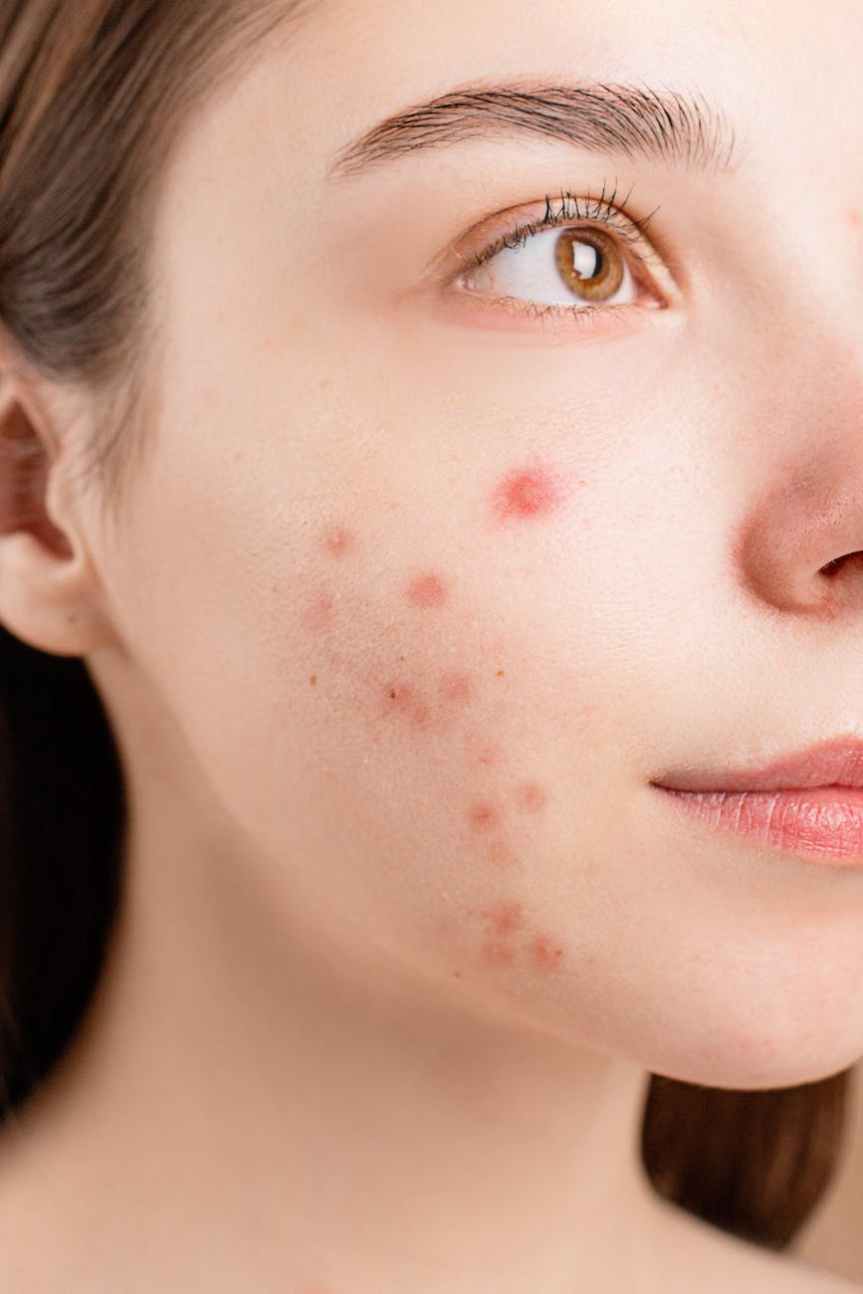
One of the most common skin concerns associated with PCOD is acne. Elevated androgen levels in the body can stimulate the sebaceous glands to produce more sebum, an oily substance that lubricates the skin. When excess sebum mixes with dead skin cells and clogs pores, it can lead to the formation of acne. PCOD-related acne often presents as deep, painful cysts along the jawline, chin, and cheeks.
Hirsutism and Unwanted Hair Growth:
Another skin manifestation of PCOD is hirsutism, which refers to excessive hair growth in areas where men typically grow hair, such as the face, chest, abdomen, and back. This occurs due to the overproduction of androgens, which stimulates hair follicles in these regions. Hirsutism can have a significant impact on self-esteem and body image for those affected.
Skin Discoloration and PCOD:
Women with PCOD may experience skin discoloration known as acanthosis nigricans. This condition causes patches of dark, thickened, and velvety skin, commonly seen in areas like the neck, groin, and underarms. Acanthosis nigricans is associated with insulin resistance, which is often present in PCOD.
Hair Loss and PCOD:
Hair loss or thinning, also known as female-pattern hair loss, can occur in women with PCOD due to the influence of androgens on hair follicles. Hair loss usually affects the crown and frontal areas of the scalp.
Tips for Caring for Your Skin with PCOD:
- Gentle Cleansing: Use a mild, non-comedogenic cleanser to cleanse your face twice daily. Avoid harsh scrubs or abrasive products that may irritate the skin.
- Moisturize Regularly: Keep your skin hydrated by using a light, oil-free moisturizer. Moisturizing helps maintain the skin’s barrier function and prevents excessive dryness.
- Avoid Touching and Picking: Refrain from touching or picking at acne lesions, as this can worsen inflammation and lead to scarring.
- Hair Removal: If you experience unwanted hair growth, consider hair removal methods such as waxing, threading, or laser hair removal. Consult a professional for the best approach based on your skin and hair type.
- Sun Protection: Protect your skin from harmful UV rays by wearing sunscreen with a high SPF. Sunscreen helps prevent dark spots and hyperpigmentation, which can be exacerbated by PCOD-related skin changes.
- Seek Professional Advice: Consult a dermatologist or skincare specialist for personalized advice on managing acne, hirsutism, and other skin concerns related to PCOD.
- Manage Stress: Stress can worsen hormonal imbalances and skin conditions. Practice stress-reducing activities like meditation, yoga, or deep breathing exercises.
Understanding the effect of PCOD on the skin is crucial for managing the condition effectively. While skin changes related to PCOD can be challenging, they can be addressed with the right skincare regimen and professional guidance. Embrace a holistic approach to managing PCOD, which includes lifestyle modifications, medical treatment, and skincare practices. By taking proactive steps to care for your skin, you can enhance your overall well-being and feel confident in your complexion despite the challenges posed by PCOD.
Discover more from LBS Healthcare
Subscribe to get the latest posts sent to your email.
