
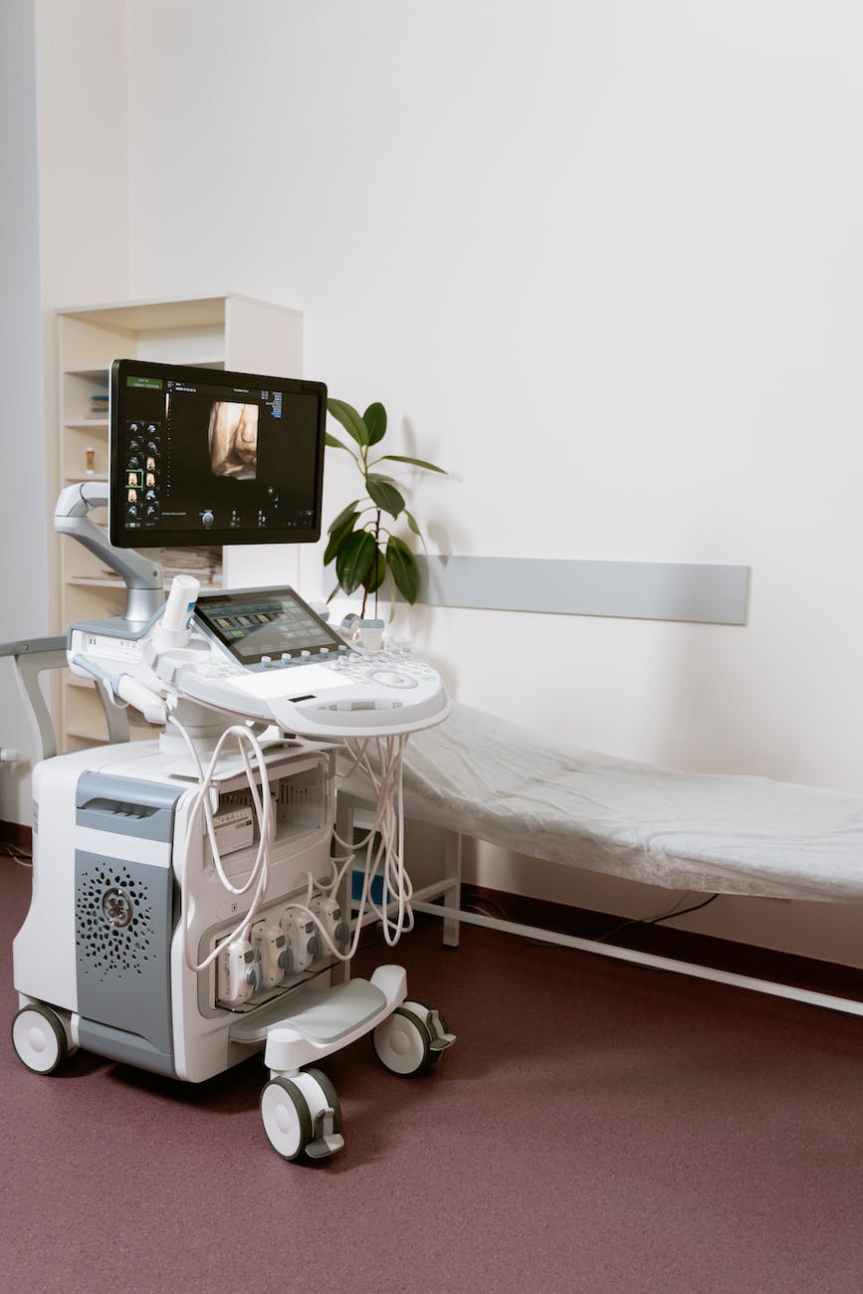
When it comes to assessing heart health and diagnosing cardiac conditions, modern medicine offers a wide array of advanced tools and techniques. One such valuable tool that cardiologists use is Transesophageal Echocardiography (TEE). Though the name might sound complex, TEE is a non-invasive and safe procedure that provides detailed images of the heart, helping healthcare professionals gain a clearer understanding of the heart’s structure and function.
What is TEE?
Transesophageal Echocardiography, commonly known as TEE, is a specialized type of echocardiogram. An echocardiogram is a standard procedure that uses ultrasound waves to create real-time images of the heart’s structure and function. However, unlike a traditional echocardiogram, which is performed externally on the chest, TEE involves passing a thin, flexible probe called a transducer down the throat and into the esophagus, which lies directly behind the heart.
The Procedure:
It is usually recommended to have atleast 3-4 hours of fasting before getting this test done to prevent any chances of aspiration during the procedure. Also, it is recommended to discuss your medications with your doctor prior to getting this tests as some of the medicines may need to be stopped prior to this tests, especially the blood thinners
During a TEE procedure:
- Preparation: Before the procedure, the patient is usually given a mild sedative to help them relax. A local anesthetic gel is applied to the back of the throat to numb the area.
- Insertion of Transducer: The transducer, attached to the end of a long, thin tube (endoscope), is gently passed through the mouth and throat, down the esophagus, and positioned near the heart.
- Image Acquisition: Ultrasound waves are emitted from the transducer, and as they bounce off the heart’s structures, they create detailed images of the heart’s chambers, valves, and blood flow patterns.
- Monitoring: Throughout the procedure, the patient’s heart rate, blood pressure, and oxygen levels are carefully monitored to ensure safety and comfort.
- Removal: Once the necessary images are obtained, the transducer is gently removed, concluding the procedure.
Benefits of TEE:
Transesophageal Echocardiography offers several key advantages, making it a valuable diagnostic tool:
- Clearer Images: TEE provides clearer and more detailed images of the heart compared to traditional echocardiograms. This is because the transducer is positioned closer to the heart, offering a more direct view.
- Evaluation of Specific Conditions: TEE is particularly useful for evaluating certain conditions that may not be adequately visualized with standard echocardiograms. These include assessing heart valve function, searching for blood clots or masses in the heart, and evaluating congenital heart abnormalities.
- Real-time Monitoring: TEE allows for real-time monitoring of the heart’s response to treatment or intervention, helping healthcare professionals make critical decisions during surgical procedures or emergencies.
- Minimally Invasive: While TEE requires the insertion of the transducer through the esophagus, it is still considered a minimally invasive procedure, as it does not involve any incisions or entry into the chest cavity.
Common Uses of TEE:
TEE is frequently employed in various clinical scenarios, including:
- Cardiac Surgery: TEE is commonly used during cardiac surgeries to monitor the heart’s function, guide surgical repairs, and assess outcomes.
- Diagnosis of Heart Conditions: It helps diagnose conditions like heart valve diseases, infective endocarditis (infection of the heart lining), and certain congenital heart defects.
- Assessment of Blood Clots: TEE is instrumental in detecting blood clots that may form in the heart, particularly in patients with atrial fibrillation or other conditions that increase the risk of clot formation.
- Sometimes, it is also recommended in those patients who have a poor window during the traditional transthoracic Echocardiography to visualize the structure better
Safety and Considerations:
TEE is generally considered a safe procedure. However, as with any medical procedure, there are some risks and considerations, such as:
- Mild discomfort or gagging during the insertion of the transducer
- Rare instances of complications like perforation of the esophagus or adverse reactions to sedatives
Patients undergoing TEE should discuss any existing health conditions and medications with their healthcare provider to ensure a safe and successful procedure.
Transesophageal Echocardiography (TEE) is a valuable diagnostic tool that allows healthcare professionals to gain detailed insights into the heart’s structure and function without the need for invasive procedures. By providing clear and real-time images of the heart, TEE helps in the diagnosis and management of various cardiac conditions, making it an essential part of modern cardiology. If your doctor recommends a TEE, you can be reassured that it is a safe and valuable procedure to better understand and care for your heart health.
Discover more from LBS Healthcare
Subscribe to get the latest posts sent to your email.
