
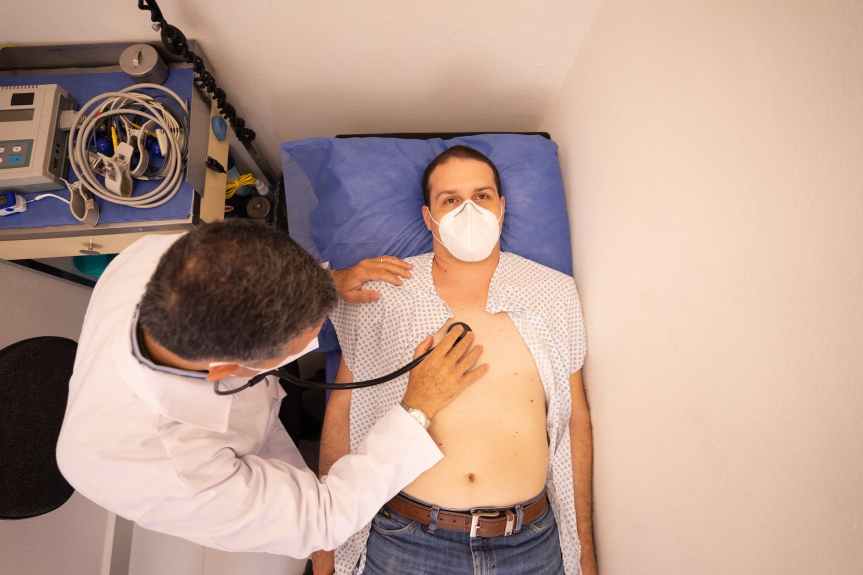
The heart is an incredible organ that tirelessly pumps blood, supplying our bodies with essential oxygen and nutrients. However, like any complex system, it can sometimes face health challenges. Cardiomyopathy is one such condition that affects the heart’s ability to function properly.
What is Cardiomyopathy?
Cardiomyopathy is a term used to describe a group of diseases that affect the heart muscle (myocardium). The word “cardio” refers to the heart, “myo” denotes muscle, and “pathy” indicates disease. In cardiomyopathy, the muscle becomes weakened, enlarged, thickened, or stiffened, making it difficult for the heart to pump blood effectively.
Types of Cardiomyopathy:
There are three primary types of cardiomyopathy:
- Dilated Cardiomyopathy (DCM): In DCM, the heart muscle becomes weakened and stretched, leading to a larger and less efficient pumping chamber. As a result, the heart’s ability to contract and pump blood decreases, causing symptoms such as fatigue, shortness of breath, and fluid retention.
- Hypertrophic Cardiomyopathy (HCM): HCM involves the abnormal thickening of the heart muscle, particularly the left ventricle—the main pumping chamber. This can obstruct blood flow and lead to symptoms like chest pain, dizziness, and fainting. HCM is often inherited and can affect people of any age.
- Restrictive Cardiomyopathy (RCM): RCM is the rarest form and is characterized by the stiffening of the heart muscle, which restricts its ability to fill with blood between heartbeats. The limited filling capacity means the heart’s pumping ability is reduced, causing symptoms similar to other forms of cardiomyopathy.
- Arrhythmogenic Right Ventricular Cardiomyopathy (ARVC): ARVC primarily affects the right ventricle, causing the heart muscle to be replaced by fatty and fibrous tissue. This can lead to arrhythmias and an increased risk of sudden cardiac death.
Causes and Risk Factors:
The causes of cardiomyopathy can vary depending on the type:
- Dilated Cardiomyopathy: It can be caused by viral infections, uncontrolled high blood pressure, alcohol abuse, certain medications, or genetic factors.
- Hypertrophic Cardiomyopathy: This is often an inherited condition caused by genetic mutations, but in some cases, the cause remains unknown.
- Restrictive Cardiomyopathy: The cause is often idiopathic (unknown), but it can be associated with certain diseases like amyloidosis (abnormal protein deposition) or sarcoidosis (inflammatory disease).
In general, risk factors for developing cardiomyopathy include a family history of the condition, heart tissue damage from heart attacks, long-term alcohol or drug abuse, chronic hypertension, and certain infections.
Symptoms:
The symptoms of cardiomyopathy can vary from mild to severe and might not always be immediately evident. Common symptoms include:
- Fatigue and weakness
- Shortness of breath
- Swelling of the legs, ankles, and feet
- Irregular heartbeats (arrhythmias)
- Dizziness or fainting
- Chest pain or discomfort
- Persistent cough or wheezing, especially when lying down
It’s important to note that these symptoms can be associated with other medical conditions as well, so proper medical evaluation is crucial for an accurate diagnosis.
Diagnosis and Treatment:
If someone experiences symptoms suggestive of cardiomyopathy, a healthcare professional will perform a thorough evaluation, which may include a physical examination, medical history review, imaging tests (echocardiogram, MRI, etc.), and various cardiac tests.
The treatment for cardiomyopathy will depend on the specific type and severity. General approaches may include:
- Lifestyle modifications: Adopting a heart-healthy lifestyle can help manage cardiomyopathy. This includes regular exercise (as recommended by the healthcare provider), a balanced diet low in salt and saturated fats, quitting smoking, and limiting alcohol consumption.
- Medications: Doctors may prescribe medications to manage symptoms, control blood pressure, and improve heart function. These may include beta-blockers, ACE inhibitors, ARNI, diuretics, or anticoagulants, among others.
- Devices: In some cases, devices like pacemakers, implantable cardioverter-defibrillators (ICDs), or left ventricular assist devices (LVADs) may be implanted to regulate heart rhythms or support heart function.
- Surgical interventions: In some cases, surgery might be necessary to alleviate obstruction or repair heart valves. Heart transplant surgery may be considered for severe cases where other treatments are no longer effective.
Cardiomyopathy is a serious condition that requires proper medical attention and care. Understanding its types, symptoms, and risk factors is crucial in seeking timely diagnosis and appropriate treatment. Early detection and management can significantly improve the quality of life for individuals living with cardiomyopathy, enabling them to lead fulfilling and healthy lives.
As with any health concern, it’s essential to consult a healthcare professional for personalized advice and guidance. Regular check-ups, a healthy lifestyle, and proactive management can contribute to better heart health and overall well-being.
Discover more from LBS Healthcare
Subscribe to get the latest posts sent to your email.
