
Diabetes and heart disease are two interlinked health conditions that often go hand in hand. Having diabetes increases the risk of developing heart disease, and individuals with heart disease have a higher likelihood of also having diabetes.
Understanding Diabetes:
Diabetes is a chronic condition that affects the body’s ability to regulate blood sugar levels. There are two main types of diabetes:
- Type 1 Diabetes: This type is usually diagnosed in childhood or adolescence and occurs when the immune system mistakenly attacks the cells in the pancreas that produce insulin, the hormone responsible for regulating blood sugar levels. People with Type 1 diabetes require insulin injections to manage their blood sugar levels.
- Type 2 Diabetes: This type is more common and typically develops in adulthood, although it is increasingly being diagnosed in children and adolescents. In Type 2 diabetes, the body becomes resistant to the effects of insulin or doesn’t produce enough insulin to maintain normal blood sugar levels. Lifestyle factors such as obesity, sedentary behavior, and poor diet contribute to the development of Type 2 diabetes.
The Connection Between Diabetes and Heart Health:
Diabetes and heart disease share several common risk factors and mechanisms. Here’s how they are connected:
- High Blood Sugar: When blood sugar levels are consistently elevated, it can damage the blood vessels and lead to atherosclerosis (the buildup of plaque in the arteries). This narrows the arteries, restricts blood flow, and increases the risk of heart disease, heart attacks, and strokes.
- High Blood Pressure: People with diabetes are more likely to develop high blood pressure (hypertension), which further strains the heart and increases the risk of heart disease.
- Abnormal Cholesterol Levels: Diabetes can cause imbalances in cholesterol levels, with lower levels of high-density lipoprotein (HDL) cholesterol (the “good” cholesterol) and higher levels of low-density lipoprotein (LDL) cholesterol (the “bad” cholesterol). These lipid abnormalities contribute to the development of atherosclerosis and heart disease.
- Obesity: Excess weight, particularly around the waistline, is a common risk factor for both diabetes and heart disease. Obesity increases insulin resistance, raises blood pressure, and negatively affects lipid profiles, all of which impact heart health.
- Inflammation: Chronic inflammation is associated with both diabetes and heart disease. Inflammatory markers in the body contribute to the development of atherosclerosis and increase the risk of cardiovascular complications.
Steps to Maintain Heart Health with Diabetes:
Managing diabetes is key to preserving heart health. Here are some important steps to take:
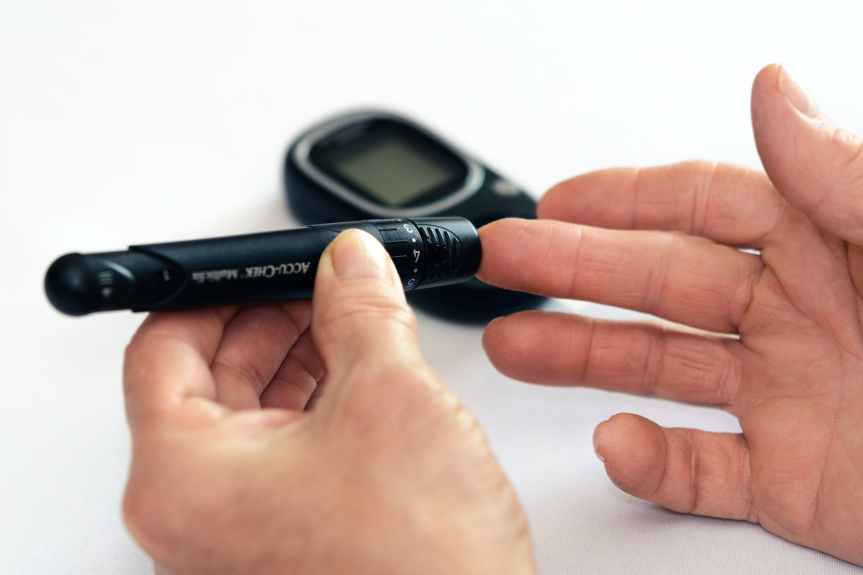
- Control Blood Sugar Levels: Keeping blood sugar levels within a target range through medication, a healthy diet, regular physical activity, and self-monitoring is essential for reducing the risk of heart disease.
- Manage Blood Pressure and Cholesterol: Work closely with your healthcare provider to control high blood pressure and maintain healthy cholesterol levels through lifestyle modifications and, if needed, medication.
- Adopt a Heart-Healthy Lifestyle: Focus on regular physical activity, a balanced diet rich in fruits, vegetables, whole grains, lean proteins, and healthy fats. Limit the consumption of processed foods, sugary beverages, and foods high in saturated and trans fats.
- Quit Smoking: Smoking is a major risk factor for heart disease. Quitting smoking significantly reduces the risk of heart disease and other complications.
- Regular Medical Check-ups: Stay vigilant with regular check-ups, including blood sugar monitoring, blood pressure checks, and cholesterol screenings. These help detect any potential issues early and allow for timely intervention.
- Medication Adherence: If you are prescribed medications to manage diabetes or other conditions, take them as directed and discuss any concerns or side effects with your healthcare provider.
Diabetes and heart disease are closely intertwined, with diabetes significantly increasing the risk of heart-related complications. However, with proper management of diabetes, lifestyle modifications, and regular medical care, it is possible to maintain a healthy heart while living with diabetes. Stay proactive in managing your diabetes, prioritize a heart-healthy lifestyle, and collaborate with your healthcare team to optimize your overall health and reduce the risk of cardiovascular complications.
Discover more from LBS Healthcare
Subscribe to get the latest posts sent to your email.
