
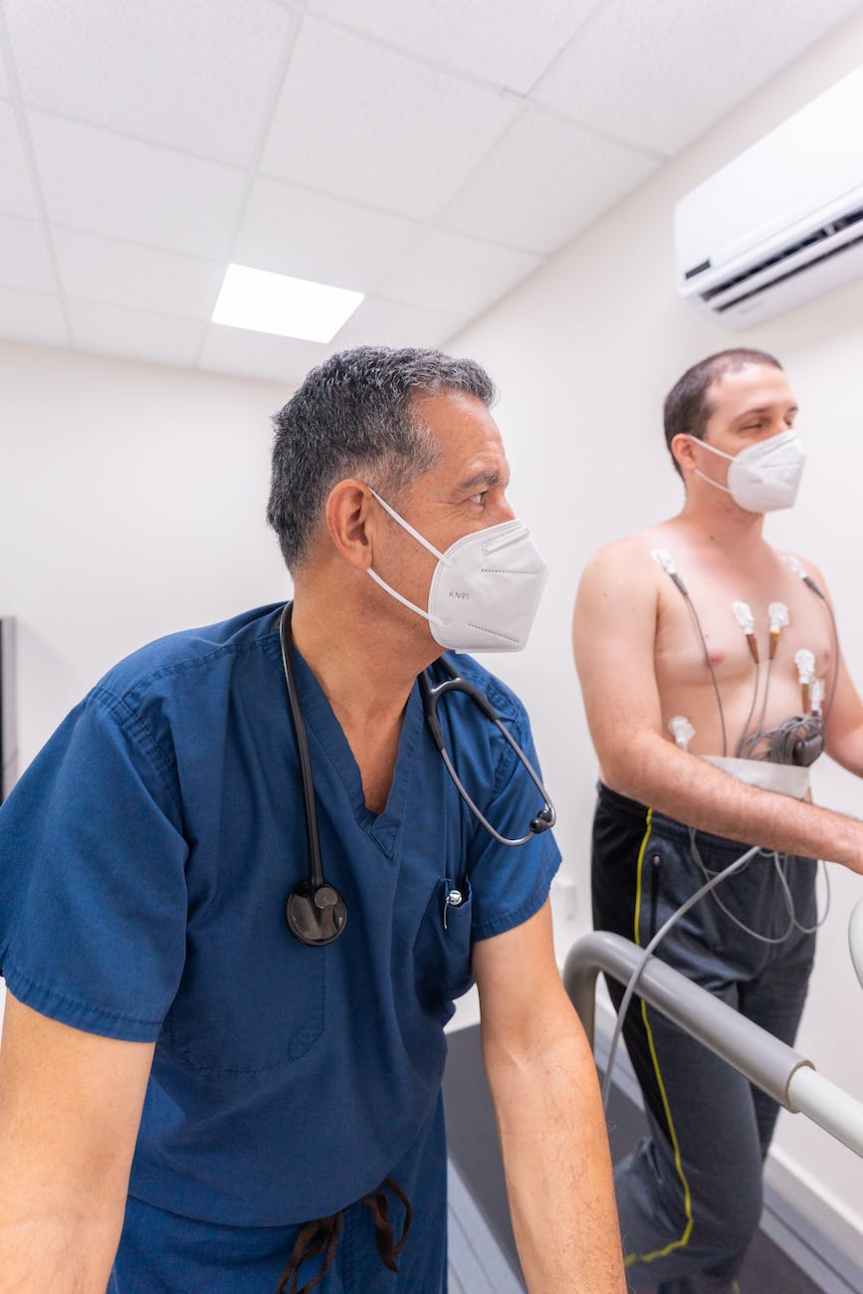
In the realm of cardiovascular diagnostics, stress tests play a vital role in evaluating heart function and assessing the risk of heart-related conditions. These tests provide valuable information about how the heart performs under physical stress.
Understanding Stress Tests:
A stress test, also known as an exercise tolerance test or treadmill test, is a non-invasive procedure designed to evaluate how well the heart responds to increased physical demands. It involves monitoring the heart’s electrical activity, blood pressure, and other vital signs while the individual performs exercises, such as walking or running on a treadmill or pedaling a stationary bike.
Purpose of Stress Tests:
Stress tests serve multiple purposes, including:
- Assessing Exercise Capacity: Stress tests determine an individual’s exercise capacity by measuring their ability to endure physical exertion. The test provides insights into heart rate response, blood pressure changes, and symptoms experienced during exercise, helping to evaluate cardiovascular fitness.
- Diagnosing Heart Conditions: Stress tests are used to diagnose and evaluate heart conditions such as coronary artery disease, heart rhythm disorders, and heart valve problems. By inducing controlled stress, the test can reveal abnormalities in blood flow, heart rate, or rhythm that may not be apparent at rest.
- Determining Treatment Effectiveness: Stress tests can assess the effectiveness of interventions such as medication, lifestyle modifications, or cardiac procedures. They help determine if the treatment is improving blood flow, reducing symptoms, or restoring normal heart function.
The Stress Test Procedure:
- Preparation: Before the stress test, a healthcare professional will explain the procedure and address any concerns or questions. It is important to inform the healthcare team about any medications, allergies, or medical conditions. Depending on the specific test, you may be asked to avoid food, caffeine, and smoking before the procedure.
- Electrode Placement: Electrodes will be attached to your chest, arms, and legs to monitor the heart’s electrical activity during the test. Blood pressure cuffs may also be placed on your arm to measure blood pressure at regular intervals.
- Exercise: You will be asked to walk or run on a treadmill or pedal a stationary bike. The intensity of exercise gradually increases, with speed or resistance adjustments made at specific intervals. The goal is to reach a target heart rate based on age and physical condition.
- Monitoring: Throughout the test, healthcare professionals closely monitor your heart rate, blood pressure, and any symptoms experienced, such as chest pain, shortness of breath, or fatigue. Communication is essential during the test to report any discomfort or concerns.
- Test Completion: The test ends when you achieve the target heart rate, experience symptoms that necessitate stopping, or when the healthcare team determines the test objectives have been met. After exercise, you will be monitored to assess recovery and observe any changes in heart function.
Interpreting Stress Test Results:
The healthcare provider interprets the stress test results based on multiple factors, including changes in heart rate, blood pressure, and the presence of symptoms. Normal results indicate that the heart is functioning well during exercise. Abnormal results may indicate underlying heart conditions that require further evaluation or intervention.
Stress tests are valuable tools in assessing heart health, diagnosing cardiovascular conditions, and monitoring treatment effectiveness. These non-invasive tests provide insights into how the heart performs under physical stress and help healthcare professionals make informed decisions regarding diagnosis, treatment, and lifestyle recommendations. If recommended by your healthcare provider, undergoing a stress test can provide valuable information about your heart health and contribute to better management and prevention of heart-related conditions.
Discover more from LBS Healthcare
Subscribe to get the latest posts sent to your email.
