
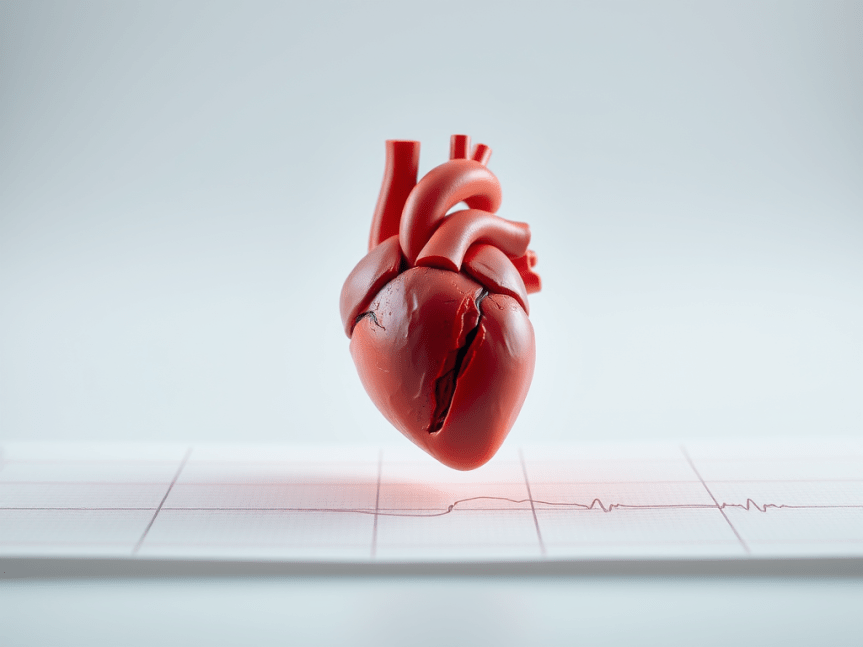
Heart-related emergencies can be life-threatening and require immediate medical attention. Two terms commonly associated with such emergencies are “heart attack” and “cardiac arrest.” While these terms may be used interchangeably in everyday conversations, they actually represent distinct medical conditions.
Heart Attack:
A heart attack, medically known as a myocardial infarction, occurs when the blood supply to a part of the heart is significantly reduced or completely blocked. It usually happens due to a sudden blockage in one or more of the coronary arteries, which supply oxygen-rich blood to the heart muscle. The blockage is often caused by the formation of a blood clot on the surface of a plaque build-up within the artery.
During a heart attack, the heart muscle supplied by the blocked artery begins to suffer from a lack of oxygen and nutrients. If the blood flow is not promptly restored, this can lead to permanent damage to the heart muscle.
Common symptoms of a heart attack include:
- Chest pain or discomfort: A feeling of pressure, tightness, or squeezing in the chest that may last for several minutes.
- Pain in other areas of the upper body: Discomfort in the arms, back, neck, jaw, or stomach.
- Shortness of breath: Difficulty breathing or feeling breathless even at rest.
- Sweating, nausea, and lightheadedness: These symptoms may accompany chest pain during a heart attack.
Cardiac Arrest:
Cardiac arrest, on the other hand, is a sudden and abrupt loss of heart function. It occurs when the heart’s electrical system malfunctions, causing an irregular heartbeat (arrhythmia) such as ventricular fibrillation or ventricular tachycardia. These abnormal rhythms prevent the heart from pumping blood effectively, leading to a sudden cessation of blood flow throughout the body.
During cardiac arrest, the person loses consciousness, stops breathing, and their pulse becomes extremely weak or absent. It is a medical emergency that requires immediate intervention, including cardiopulmonary resuscitation (CPR) and the use of an automated external defibrillator (AED).
Key differences between a heart attack and cardiac arrest:
- Underlying Cause: A heart attack is primarily caused by a blockage in one or more coronary arteries, whereas cardiac arrest results from an electrical disturbance that disrupts the heart’s normal rhythm.
- Blood Flow: During a heart attack, blood flow to the heart muscle is restricted but not completely stopped. In cardiac arrest, blood flow to the entire body is severely impaired or halted entirely.
- Consciousness: Individuals experiencing a heart attack are typically conscious and may be able to recognize and describe their symptoms. In cardiac arrest, the person loses consciousness suddenly and collapses.
- Treatment Approach: While both conditions require immediate medical attention, the treatments differ. A heart attack may be managed with medications, angioplasty, or stent placement to restore blood flow. Cardiac arrest requires CPR and defibrillation to restore a normal heart rhythm.
Although heart attacks and cardiac arrests are serious cardiovascular emergencies, they are distinct medical conditions with different causes and treatment approaches. A heart attack occurs when blood flow to the heart muscle is blocked, while cardiac arrest is a sudden loss of heart function due to abnormal heart rhythms. Recognizing the symptoms and understanding the difference between these conditions can help individuals seek appropriate medical assistance promptly. In any case of chest pain, breathing difficulties, or sudden loss of consciousness, it is crucial to call emergency services immediately to ensure the best chance of survival and minimize potential long-term complications.
Discover more from LBS Healthcare
Subscribe to get the latest posts sent to your email.
