
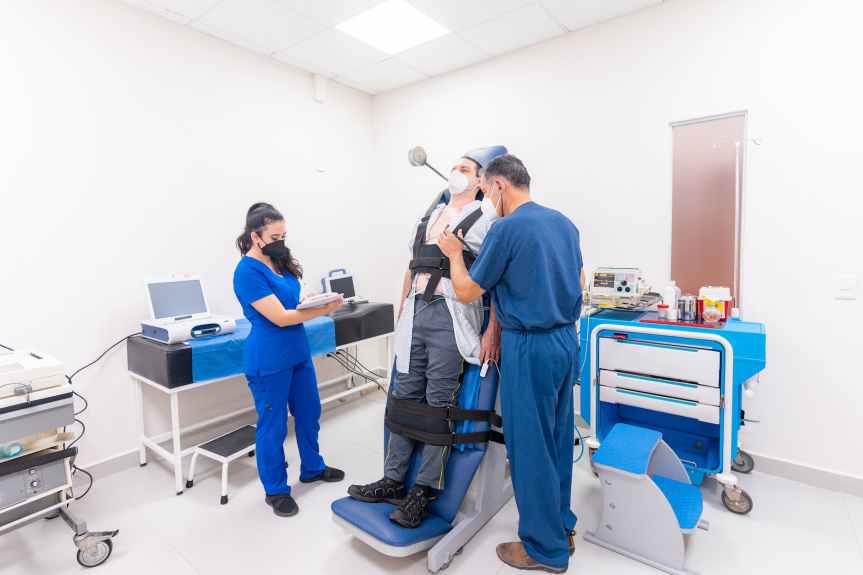
The Head up tilt table test (HUTT) or simply known as Tilt table test is a diagnostic procedure used to evaluate the causes of fainting, lightheadedness, and dizziness. It helps healthcare professionals identify the underlying factors contributing to these symptoms by monitoring the body’s response to changes in posture.
Understanding the Tilt Table Test:
The tilt table test involves placing the patient on a specialized table that can be tilted from a horizontal position to an upright angle. By observing the body’s reaction to the change in posture, healthcare professionals can gather important information about the cardiovascular system’s ability to regulate blood pressure and maintain blood flow to the brain.
Purpose of the Tilt Table Test:
The tilt table test is primarily used to assess the causes of unexplained fainting (syncope), dizziness, or lightheadedness. It helps healthcare professionals differentiate between various conditions that can lead to these symptoms, such as:
- Vasovagal Syncope: This is the most common cause of fainting. It occurs when the body overreacts to certain triggers, such as emotional stress, pain, or standing for prolonged periods, resulting in a sudden drop in blood pressure and heart rate.
- Postural Orthostatic Tachycardia Syndrome (POTS): POTS is characterized by an abnormal increase in heart rate upon standing, leading to lightheadedness, dizziness, and fainting. The tilt table test helps determine if changes in heart rate and blood pressure occur during the transition from lying down to an upright position.
- Autonomic Nervous System Dysfunction: Certain medical conditions, such as autonomic nervous system disorders or neuropathies, can disrupt the body’s autonomic functions responsible for maintaining blood pressure and heart rate stability. The tilt table test can provide insights into autonomic nervous system abnormalities.
The Tilt Table Test Procedure:
- Preparation: Before the test, the patient is typically asked to refrain from eating or drinking for a few hours. Medications that could interfere with the results may need to be temporarily discontinued. It is important to follow any specific instructions provided by the healthcare team.
- Placement on the Tilt Table: The patient is securely strapped to a table that can be tilted from a horizontal position to an upright angle of approximately 60-80 degrees. Electrodes are attached to the chest to monitor heart rate and rhythm, and blood pressure cuffs are placed on the arms or legs.
- Monitoring: The table is gradually tilted, simulating a change from lying down to standing. The patient’s vital signs, including heart rate, blood pressure, and symptoms, are continuously monitored and recorded throughout the test.
- Observation Period: The patient remains in an upright position for a predetermined duration, usually around 20-30 minutes. During this time, the healthcare team closely observes the patient’s response, looking for changes in blood pressure, heart rate, and the onset of symptoms such as dizziness, lightheadedness, or fainting. Sometimes, a medicine is also given to provoke the symptoms with close observation to heart rate and blood pressure.
- Conclusion and Evaluation: At the end of the test, the table is returned to the horizontal position. The healthcare provider reviews the data obtained during the test, comparing the patient’s symptoms and physiological responses. This information helps in diagnosing the underlying cause of fainting or dizziness and guiding further management strategies.
The tilt table test is a valuable diagnostic tool used to evaluate the causes of fainting, lightheadedness, and dizziness. By observing the body’s response to changes in posture, healthcare professionals can gain insights into conditions such as vasovagal syncope, POTS, and autonomic nervous system dysfunction. The test aids in accurate diagnosis and helps guide appropriate management strategies to alleviate symptoms and improve the patient’s quality of life. If you experience unexplained fainting or recurrent episodes of dizziness, consult with a healthcare professional who can determine if a tilt table test is warranted to provide valuable insights into your condition.
Discover more from LBS Healthcare
Subscribe to get the latest posts sent to your email.
