
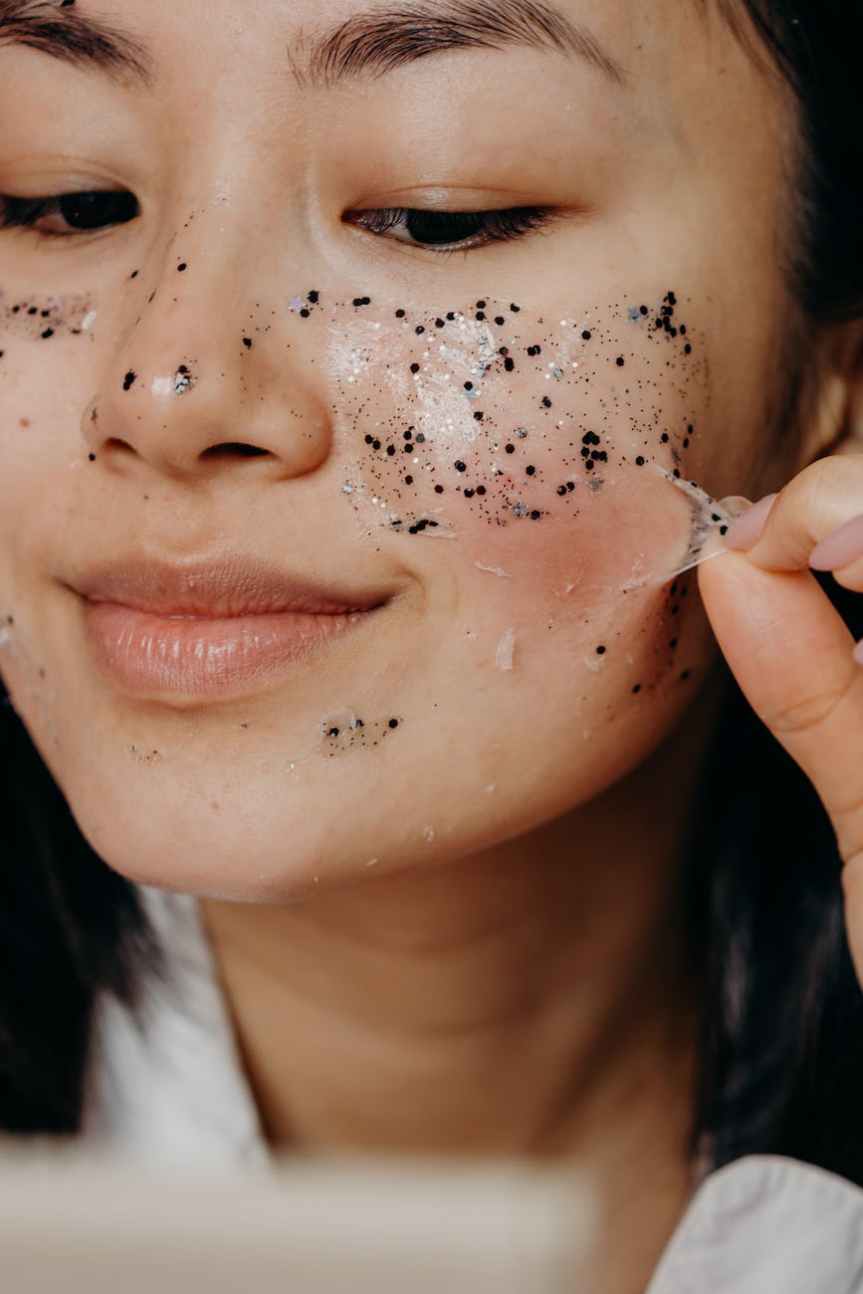
In the realm of skincare, various treatments aim to rejuvenate and revitalize the skin, revealing a brighter and more youthful complexion. One such treatment is peeling, a popular procedure that helps to exfoliate and renew the skin’s outer layers.
What is Peeling?
Peeling, also known as chemical peeling or derma peeling, is a cosmetic procedure performed by dermatologists or skincare professionals to improve the appearance and texture of the skin. It involves the application of a chemical solution to the skin, which induces controlled exfoliation and subsequent regeneration of the skin cells.
How does Peeling work?
During a peeling treatment, the following steps generally occur:
- Skin Evaluation: The skincare professional assesses the individual’s skin type, concerns, and desired outcome to determine the most appropriate type and strength of the chemical peel.
- Preparation: The skin is thoroughly cleansed to remove any dirt, oil, or makeup, ensuring optimal penetration of the peeling solution.
- Peeling Solution Application: The selected chemical solution, such as alpha-hydroxy acids (AHAs), beta-hydroxy acids (BHAs), or trichloroacetic acid (TCA), is carefully applied to the skin’s surface. The choice of solution depends on the specific skin concerns being addressed.
- Controlled Exfoliation: The peeling solution works by gently exfoliating the outermost layers of the skin, removing dead skin cells, and stimulating cell turnover. This process helps to improve skin texture, reduce the appearance of fine lines, wrinkles, and discoloration, and promote a more even skin tone.
- Neutralization and Soothing: After the desired period of time, the peeling solution is neutralized or removed from the skin, and a soothing agent or moisturizer may be applied to calm and hydrate the skin.
Types of Peels:
- Superficial Peels: These peels target the outermost layer of the skin (epidermis) and are generally milder in nature. They help improve skin texture, tone, and radiance. Common examples include glycolic acid peels and salicylic acid peels.
- Medium Peels: These peels penetrate the middle layer of the skin (dermis) and are effective in addressing more advanced skin concerns such as moderate wrinkles, acne scars, and hyperpigmentation. Trichloroacetic acid (TCA) peels are a common example of medium peels.
- Deep Peels: These peels reach the deeper layers of the skin, producing significant results but requiring a longer recovery time. Deep peels are typically recommended for severe skin issues and are performed less frequently compared to superficial and medium peels.
Benefits of Peeling:
- Skin Rejuvenation: Peeling treatments promote cell turnover and stimulate the production of collagen and elastin, resulting in improved skin texture, firmness, and a youthful glow.
- Improved Skin Tone and Evenness: Peeling helps reduce the appearance of age spots, sunspots, and hyperpigmentation, leading to a more even skin tone.
- Diminished Fine Lines and Wrinkles: Peeling treatments can help minimize the appearance of fine lines and wrinkles, giving the skin a smoother and more youthful appearance.
- Acne and Scar Reduction: Peels targeting acne-prone skin can help control breakouts and reduce acne scars, improving overall skin clarity and texture.
- Enhanced Product Penetration: By removing the outer layer of dead skin cells, peeling allows for better absorption ofskincare products, maximizing their effectiveness.
Considerations and Precautions:
- Peeling treatments should be performed by trained professionals to ensure safety and optimal results.
- It is essential to follow post-treatment instructions provided by the skincare professional to facilitate healing and minimize the risk of complications.
- Mild redness, flaking, and temporary sensitivity are common after peeling treatments but usually subside within a few days.
- Sun protection is crucial following peeling treatments, as the skin may be more susceptible to sun damage. Always wear sunscreen and limit sun exposure.
Peeling treatments offer a range of benefits for individuals seeking to improve their skin’s appearance, texture, and overall health. By gently exfoliating the skin and promoting cellular renewal, peels can address various concerns, from fine lines and wrinkles to hyperpigmentation and acne scars. However, it is important to consult with a qualified dermatologist or skincare professional to determine the most suitable type and strength of peel for your specific skin type and concerns. Embrace the power of peeling and uncover a more radiant and rejuvenated complexion.
Discover more from LBS Healthcare
Subscribe to get the latest posts sent to your email.
