
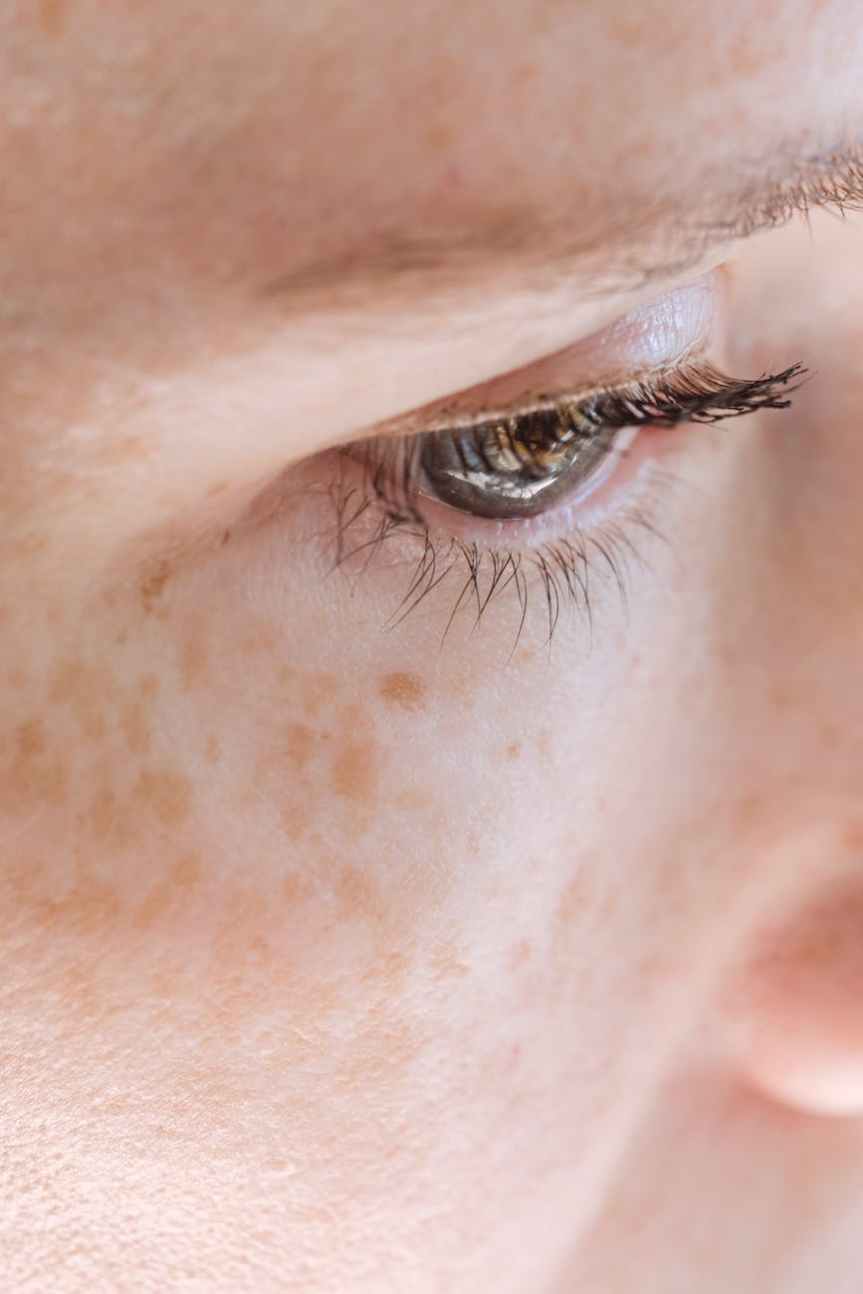
Hyperpigmentation is a common skin condition characterized by dark patches or spots on the skin. It occurs when certain areas of the skin produce more melanin, the pigment responsible for skin color, than the surrounding areas. Hyperpigmentation can be a source of concern for many individuals, but understanding its causes, types, and treatment options can help you effectively manage this condition.
Causes of Hyperpigmentation: Hyperpigmentation can be caused by various factors, including:
- Sun Exposure: Overexposure to the sun’s harmful ultraviolet (UV) rays can trigger the production of excess melanin, leading to dark spots or sunspots on the skin.
- Post-Inflammatory Hyperpigmentation (PIH): PIH occurs as a result of inflammation or injury to the skin, such as acne, cuts, burns, or skin conditions like eczema or psoriasis. Once the inflammation subsides, it can leave behind dark spots or patches.
- Hormonal Changes: Hormonal fluctuations during pregnancy (melasma or “pregnancy mask”), menopause, or while taking certain medications (such as hormonal contraceptives) can contribute to the development of hyperpigmentation.
- Skin Trauma: Skin trauma, such as scars from wounds or surgeries, can trigger the overproduction of melanin in the affected area, leading to hyperpigmentation.
Types of Hyperpigmentation: There are different types of hyperpigmentation, including:
- Melasma: Melasma appears as brown or grayish-brown patches, commonly on the face. It is often associated with hormonal changes and sun exposure.
- Sunspots or Solar Lentigines: These are commonly known as “age spots” or “liver spots.” They are flat, brown spots that appear on areas frequently exposed to the sun, such as the face, hands, shoulders, and arms.
- Post-Inflammatory Hyperpigmentation (PIH): PIH occurs as a result of skin inflammation or injury, leading to dark spots or patches that can range in color from pink to brown or black.
- Freckles: Freckles are small, concentrated areas of increased pigmentation commonly found on fair-skinned individuals. They are usually genetic and can darken with sun exposure.
Treatment Options for Hyperpigmentation: There are several treatment options available to help reduce the appearance of hyperpigmentation:
- Topical Treatments: Over-the-counter creams, lotions, and serums containing ingredients like hydroquinone, retinoids, kojic acid, vitamin C, or azelaic acid can help lighten hyperpigmentation with consistent use. It is important to follow the instructions and use sun protection when using these products.
- Chemical Peels: Chemical peels involve the application of a chemical solution to the skin, which exfoliates the top layer and helps lighten hyperpigmentation. Superficial peels are typically performed by a dermatologist or skincare professional.
- Laser and Intense Pulsed Light (IPL) Therapy: These procedures use targeted light energy to break up excess melanin and reduce hyperpigmentation. They are typically performed by dermatologists or qualified skincare professionals.
- Microdermabrasion: Microdermabrasion is a non-invasive procedure that exfoliates the skin’s surface using tiny crystals or a diamond-tipped wand, helping to improve the appearance of hyperpigmentation.
- Sun Protection: Preventing further hyperpigmentation and protecting the skin from the sun is essential. Use broad-spectrum sunscreen with an SPF of 30 or higher, wear protectiveclothing, and seek shade during peak sun hours.
Hyperpigmentation is a common skin condition that can be caused by various factors, including sun exposure, hormonal changes, skin trauma, or inflammation. Understanding the underlying causes and types of hyperpigmentation is crucial in selecting appropriate treatment options. Whether you choose topical treatments, chemical peels, laser therapy, or microdermabrasion, it is essential to consult a dermatologist or skincare professional for an accurate diagnosis and personalized treatment plan. Additionally, practicing sun protection measures, such as wearing sunscreen and protective clothing, can help prevent further hyperpigmentation and maintain overall skin health. Remember, patience and consistency are key in achieving visible improvements in hyperpigmentation. Embrace your skin’s unique beauty and work with skincare professionals to find the most suitable treatment approach for you.
Discover more from LBS Healthcare
Subscribe to get the latest posts sent to your email.
