
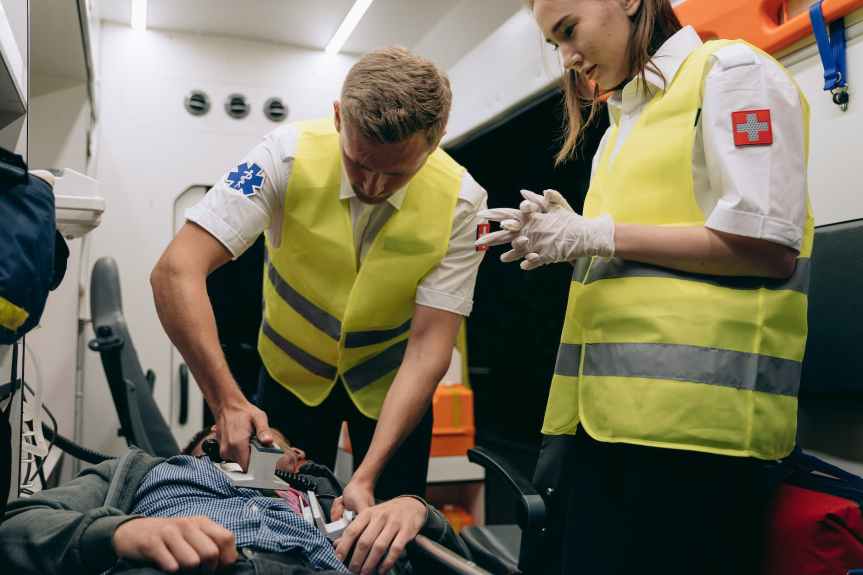
Sudden cardiac arrest (SCA) is a life-threatening medical emergency that can occur without warning, affecting people of all ages and backgrounds. It is important for the general public to have a basic understanding of SCA, its causes, risk factors, and how to respond effectively in such critical situations.
- What is Sudden Cardiac Arrest?
- Sudden cardiac arrest is a condition where the heart suddenly stops beating, resulting in the cessation of blood flow to vital organs. Unlike a heart attack, which is caused by a blockage in the blood vessels supplying the heart, SCA is often due to an electrical problem that disrupts the heart’s normal rhythm.
- Signs and Symptoms of SCA:
- SCA can occur without any warning signs or symptoms. However, in some cases, individuals may experience warning signs such as dizziness, lightheadedness, chest pain, palpitations, or shortness of breath before the arrest. It is crucial to recognize these warning signs and take immediate action.
- Risk Factors for SCA:
- Certain factors increase the risk of SCA, including a history of heart disease, previous heart attacks, a family history of SCA or inherited heart conditions, advanced age, smoking, high blood pressure, high cholesterol levels, obesity, and sedentary lifestyle. Understanding these risk factors can help individuals take preventive measures.
- Prevention Strategies:
- Although SCA cannot always be prevented, adopting a heart-healthy lifestyle can significantly reduce the risk. This includes regular exercise, maintaining a healthy weight, eating a balanced diet, quitting smoking, managing stress levels, and regularly monitoring blood pressure and cholesterol levels. It is also important to undergo regular check-ups and follow any prescribed treatments for underlying heart conditions.
- Responding to SCA:
- The Chain of Survival: Immediate action is crucial in the event of an SCA. The “Chain of Survival” concept outlines the essential steps to improve the chances of survival:
- a. Recognize the Emergency: Call for emergency medical help (e.g., dialing emergency services) as soon as SCA is suspected.
- b. Perform CPR: Cardiopulmonary resuscitation (CPR) involves chest compressions and rescue breaths to maintain blood flow and oxygenation until professional help arrives.
- c. Use an Automated External Defibrillator (AED): If available, use an AED to deliver an electric shock to restore the heart’s normal rhythm.
- d. Early Advanced Medical Care: Timely medical interventions provided by trained healthcare professionals are critical for increasing the chances of survival and reducing complications.
- The Chain of Survival: Immediate action is crucial in the event of an SCA. The “Chain of Survival” concept outlines the essential steps to improve the chances of survival:
- Public Access Defibrillation Programs:
- Promoting widespread access to automated external defibrillators (AEDs) in public spaces, schools, and workplaces can significantly improve survival rates. Training programs to educate the public on the proper use of AEDs and CPR are essential.
Sudden cardiac arrest is a life-threatening emergency that can affect anyone, regardless of age or health status. Understanding the signs and symptoms, recognizing risk factors, and knowing how to respond effectively through CPR, early defibrillation, and access to professional medical care are vital in improving survival rates. By raising awareness, promoting preventive measures, and expanding public access to AEDs, we can make a significant impact in saving lives and reducing the devastating consequences of sudden cardiac arrest.
Note: This article is intended for general public information and should not replace professional medical advice. In case of a medical emergency, always call emergency services immediately.
Discover more from LBS Healthcare
Subscribe to get the latest posts sent to your email.
