
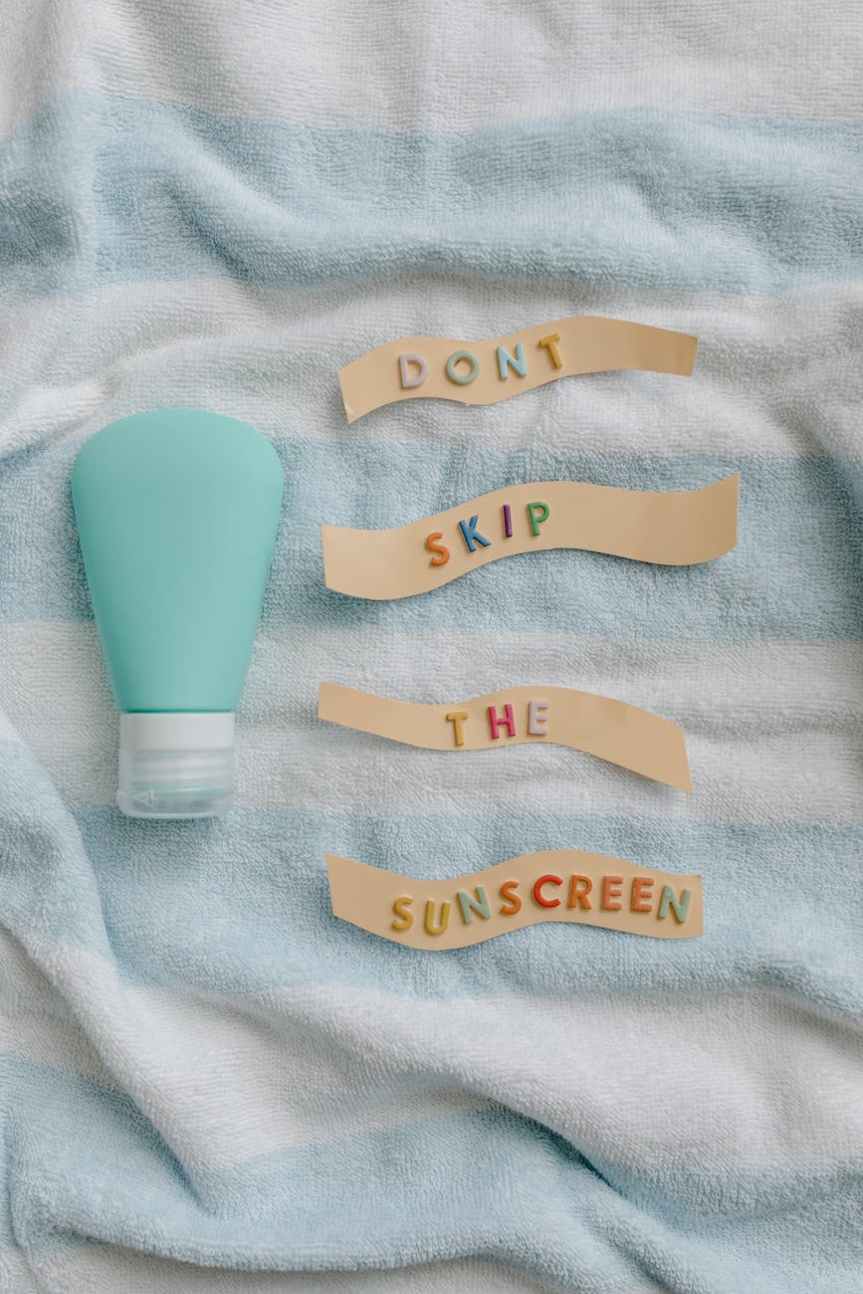
The sun is a powerful source of light and warmth, but its rays can also pose risks to your skin health. Overexposure to the sun’s ultraviolet (UV) rays can lead to various skin problems, including sunburn, premature aging, and an increased risk of skin cancer. Understanding the importance of sun protection and adopting sun-safe habits is crucial for maintaining healthy skin. Here’s what you need to know:
- Wear Sunscreen: Apply a broad-spectrum sunscreen with a Sun Protection Factor (SPF) of 30 or higher before going outdoors. Make sure it protects against both UVA and UVB rays. Reapply every two hours, or more frequently if swimming or sweating.
- Seek Shade: Limit your time in direct sunlight, especially during peak UV intensity hours between 10 a.m. and 4 p.m. Seek shade under trees, umbrellas, or wear protective clothing to reduce sun exposure.
- Wear Protective Clothing: Cover up exposed areas of your skin with lightweight, loose-fitting clothing, such as long-sleeved shirts, pants, wide-brimmed hats, and UV-blocking sunglasses. These items act as barriers, reducing the amount of UV radiation reaching your skin.
- Be Mindful of Reflection: UV rays can bounce off reflective surfaces like water, sand, snow, and concrete, increasing your exposure. Take extra precautions by wearing protective gear and applying sunscreen when around such surfaces.
- Avoid Tanning Beds: Tanning beds emit artificial UV radiation, which can be just as harmful as the sun’s rays. Avoid using tanning beds altogether to minimize your risk of skin damage and skin cancer.
- Check the UV Index: Stay informed about the daily UV Index, which provides information about UV radiation levels in your area. Plan your outdoor activities accordingly, opting for shaded or low-intensity sun exposure when the UV Index is high.
- Monitor Medications: Some medications, such as certain antibiotics, acne treatments, and some herbal supplements, can make your skin more sensitive to sunlight. Consult your healthcare provider or pharmacist to understand if any of your medications increase your sun sensitivity.
- Protect Children: Children have delicate skin that is more vulnerable to sun damage. Ensure they are well-protected with sunscreen, protective clothing, hats, and sunglasses. Encourage sun-safe habits early on to establish a lifelong practice.
- Perform Skin Checks: Regularly examine your skin for any changes, such as new moles, growths, or spots. If you notice anything unusual or concerning, consult a dermatologist for evaluation and guidance.
Remember, sun protection should be a year-round practice, regardless of the weather or your location. UV rays can penetrate clouds and windows, so even on cloudy or indoor days, it’s essential to protect your skin. By incorporating these sun-safe habits into your daily routine, you can enjoy the outdoors while keeping your skin healthy and reducing the risk of sun-related skin problems in the long run.
Discover more from LBS Healthcare
Subscribe to get the latest posts sent to your email.
