
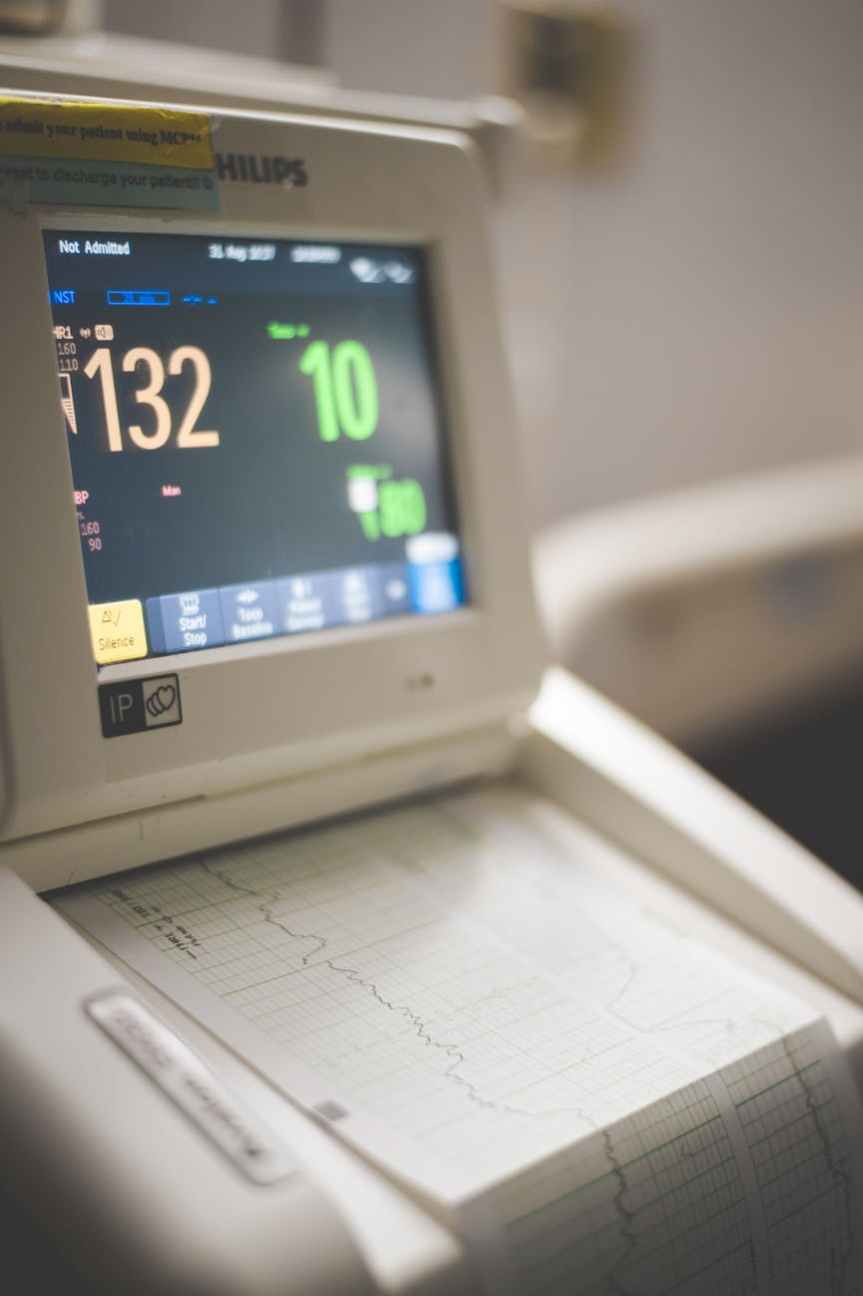
Heart rhythm abnormalities can cause significant concern and confusion, especially when it comes to terms such as SVT (Supraventricular Tachycardia) and PSVT (Paroxysmal Supraventricular Tachycardia). These terms are often used interchangeably, leading to misconceptions about their meaning and implications.
Understanding SVT and PSVT:
Both SVT and PSVT refer to abnormal heart rhythms originating from the upper chambers of the heart, known as the atria. These rhythms result in a rapid heart rate that exceeds the normal range. They share similar characteristics, but there is a subtle difference in their terminology.
SVT (Supraventricular Tachycardia):
SVT is an umbrella term used to describe a range of rapid heart rhythms originating above the ventricles, including the atria. It encompasses various specific types of arrhythmias, including PSVT. SVT is a general term that describes the rapid heart rate, but it does not specify the exact type or underlying cause of the arrhythmia.
PSVT (Paroxysmal Supraventricular Tachycardia):
PSVT is a specific type of SVT characterized by recurring episodes of rapid heart rate that start and stop abruptly. It typically arises from abnormal electrical pathways within the heart, causing sudden episodes of fast heartbeats. The episodes of PSVT may last from a few seconds to several hours before resolving on their own or with medical intervention.
Distinguishing Factors:
While SVT and PSVT share similarities, the term PSVT highlights the episodic nature of the condition, with recurring bouts of rapid heart rate. On the other hand, SVT is a more general term encompassing a broader range of rapid heart rhythms originating from the upper chambers of the heart.
Treatment and Management:
The treatment and management approaches for SVT and PSVT are generally similar. The goals of treatment include managing symptoms, reducing the frequency and duration of episodes, and preventing complications. Treatment options may involve lifestyle modifications, medications, or medical procedures such as catheter ablation.
When to Seek Medical Attention:
If you experience symptoms such as rapid heart rate, palpitations, chest discomfort, dizziness, or fainting, it is important to seek medical attention. A healthcare professional, usually a cardiologist, will perform a thorough evaluation, including a physical examination, review of medical history, and diagnostic tests to determine the underlying cause of the abnormal heart rhythm and develop an appropriate treatment plan.
In conclusion, SVT (Supraventricular Tachycardia) and PSVT (Paroxysmal Supraventricular Tachycardia) are terms used to describe rapid heart rhythms originating from the upper chambers of the heart. While SVT is a general term encompassing various types of rapid heart rhythms, PSVT specifically refers to the episodic nature of rapid heart rate. Both conditions require medical evaluation and treatment to manage symptoms and prevent complications. If you experience any concerning symptoms, it is important to consult with a healthcare professional for proper diagnosis and guidance.
Discover more from LBS Healthcare
Subscribe to get the latest posts sent to your email.
