
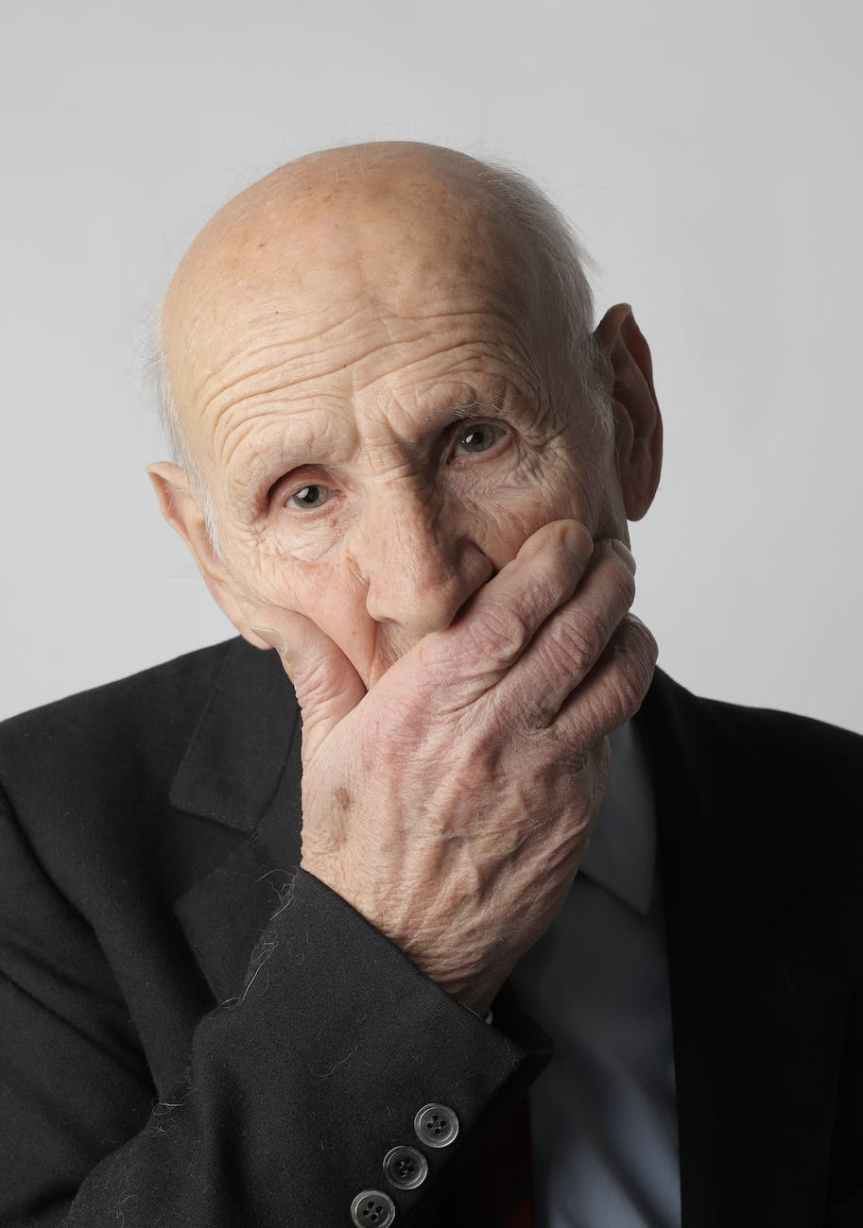
Hair fall is a common concern that affects people of all ages and genders. Experiencing excessive hair loss can be distressing, affecting self-esteem and overall well-being. Understanding the causes of hair fall, adopting preventive measures, and exploring treatment options can help individuals better manage this condition.
Causes of Hair Fall:
- Genetic Factors: Family history plays a significant role in hair fall. If your parents or close relatives have experienced hair loss, you may be more prone to it.
- Hormonal Changes: Hormonal imbalances due to factors such as pregnancy, childbirth, menopause, or thyroid disorders can trigger hair fall.
- Nutritional Deficiencies: Inadequate intake of essential nutrients like vitamins, minerals, and proteins can weaken hair follicles, leading to hair fall.
- Stress and Lifestyle Factors: High-stress levels, lack of sleep, poor dietary habits, and excessive use of hairstyling products or heat tools can contribute to hair fall.
- Medical Conditions: Certain medical conditions like alopecia areata, scalp infections, and underlying health issues can cause hair fall.
Prevention and Home Remedies:
- Maintain a Balanced Diet: Consume a nutritious diet rich in fruits, vegetables, proteins, and essential vitamins like biotin and iron to support hair health.
- Practice Gentle Hair Care: Avoid harsh chemical treatments, excessive heat styling, and tight hairstyles that pull on the hair. Use mild shampoos and conditioners suitable for your hair type.
- Manage Stress: Engage in stress-reducing activities such as yoga, meditation, or regular exercise to minimize the impact of stress on hair health.
- Protect Hair from Environmental Damage: Shield your hair from excessive sun exposure, chlorine in swimming pools, and environmental pollutants by wearing a hat or using protective products.
- Avoid Overwashing and Brushing: Limit washing your hair to a few times a week and use a wide-toothed comb to avoid excessive hair breakage.
Treatment Options:
- Medications: Over-the-counter and prescription medications like minoxidil and finasteride may help slow down hair loss and stimulate regrowth.
- Platelet-Rich Plasma (PRP) Therapy: PRP therapy involves injecting a concentration of platelets from your blood into the scalp to stimulate hair growth.
- Hair Transplantation: This surgical procedure involves transferring hair follicles from a donor area to areas with thinning or balding hair.
- Laser Therapy: Low-level laser therapy (LLLT) can help promote hair growth by stimulating the hair follicles.
- Professional Consultation: If you are experiencing significant hair fall, it is advisable to consult a dermatologist or trichologist for an accurate diagnosis and personalized treatment plan.
Hair fall can have multiple causes, ranging from genetic factors to hormonal imbalances and lifestyle choices. By adopting preventive measures like maintaining a balanced diet, practicing gentle hair care, managing stress, and seeking professional advice, individuals can improve hair health and minimize hair fall. It’s important to remember that each person’s experience with hair fall is unique, and finding the most suitable treatment option may require consultation with a healthcare professional. With the right approach and care, it is possible to address hair fall and restore healthier, fuller hair.
Discover more from LBS Healthcare
Subscribe to get the latest posts sent to your email.
