
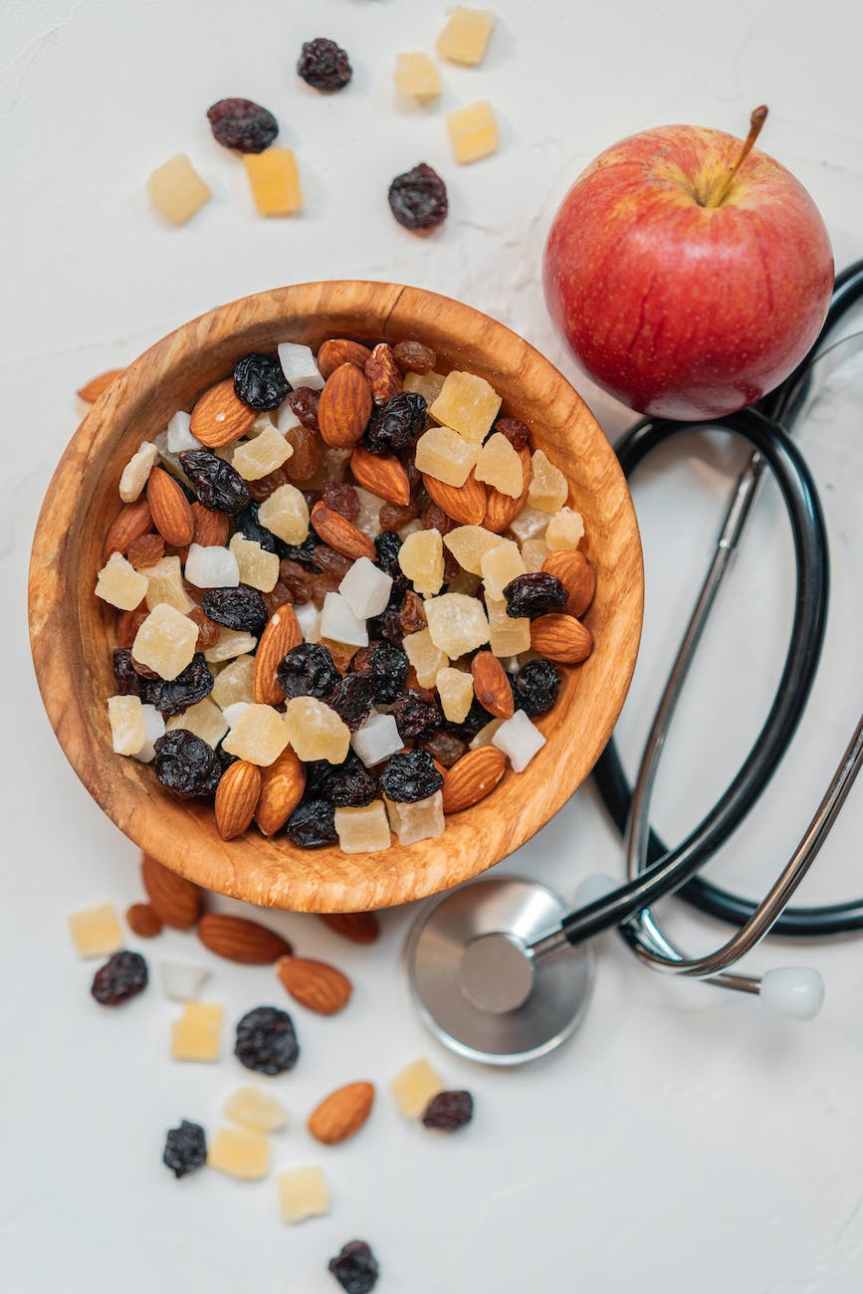
Incorporating heart-healthy eating habits into your daily life is crucial for maintaining cardiovascular health. For individuals who follow Indian food habits, it is important to know that traditional Indian cuisine offers a variety of nutritious options that can promote heart health.
Key Principles of a Heart-Healthy Diet:
- Embrace Whole Grains: Indian cuisine is rich in whole grains like brown rice, whole wheat, millets, and oats. These grains are high in dietary fiber, vitamins, and minerals. Opt for whole grain chapatis, rotis, and brown rice instead of refined grains to promote heart health and regulate blood sugar levels.
- Include Colorful Fruits and Vegetables: Indian cuisine offers a wide variety of colorful fruits and vegetables. These nutrient-dense foods are packed with antioxidants, vitamins, and minerals. Incorporate a rainbow of vegetables such as spinach, kale, tomatoes, bell peppers, and fruits like oranges, papayas, and berries to provide your body with essential nutrients.
- Opt for Lean Protein Sources: Choose lean protein sources like lentils, legumes, skinless poultry, and fish. Legumes such as chickpeas (chana), kidney beans (rajma), and lentils (dal) are excellent sources of protein and fiber. Fish, especially fatty fish like salmon and mackerel, provide omega-3 fatty acids that support heart health.
- Use Healthy Cooking Methods: Traditional Indian cooking methods like steaming, grilling, or sautéing with minimal oil are heart-healthy options. Avoid deep-frying and opt for lighter cooking techniques to reduce unhealthy fat intake. Use spices and herbs to enhance flavor instead of excessive salt.
- Incorporate Healthy Fats: Include healthy fats in your diet, such as nuts (almonds, walnuts), seeds (flaxseeds, chia seeds), and cooking oils like olive oil or mustard oil. These fats provide essential fatty acids that benefit heart health. However, moderation is key, as fats are calorie-dense.
- Control Sodium Intake: Indian cuisine can sometimes be high in sodium due to the use of salts and certain condiments. Limit your intake of salty snacks, pickles, and processed foods. Instead, use herbs, spices, and natural flavorings like lemon juice, ginger, garlic, and turmeric to add flavor to your dishes.
- Moderate Sweets and Added Sugars: Indian sweets (mithai) are often high in added sugars and unhealthy fats. Limit your consumption of sweets and opt for healthier alternatives like fresh fruits, yogurt-based (Curd) desserts, or homemade sweets made with healthier ingredients like jaggery or dates.
- Hydration and Beverage Choices: Stay hydrated by drinking an adequate amount of water throughout the day. Limit sugary beverages like sodas, packaged fruit juices, and energy drinks. Instead, opt for herbal teas, fresh lime water, coconut water, or buttermilk (chaas) to quench your thirst.
Incorporating Heart-Healthy Habits into Indian Food Habits:
- Customize Traditional Recipes: Modify traditional recipes to make them heart-healthy. Use less oil, choose leaner cuts of meat, increase vegetable content, and reduce salt and sugar.
- Experiment with Spices: Indian cuisine is renowned for its rich use of spices. Utilize heart-healthy spices like turmeric, cumin, coriander, ginger, and garlic. These spices not only add flavor but also offer potential health benefits.
- Be Mindful of Portion Sizes: Pay attention to portion sizes to avoid overeating. Focus on balanced meals that include a variety of food groups in appropriate proportions.
- Choose Healthy Snacks: Opt for healthier snacks like roasted chickpeas, air-popped popcorn, fruit chaat (mixed fruit salad), or homemade vegetable cutlets. These options provide essential nutrients without compromising on taste.
- Practice Mindful Eating: Take time to savor your meals, chew slowly, and eat mindfully. This allows you to enjoy the flavors, textures, and aromas of your food while being aware of portion sizes and satiety cues.
- Seek Professional Guidance: If you have specific dietary requirements or health concerns, consult a registered dietitian or healthcare professional who can provide personalized advice and guidance based on your needs.
Adopting a heart-healthy diet is a vital step towards maintaining cardiovascular health. By incorporating Indian food habits and making mindful choices, you can enjoy the diverse flavors of Indian cuisine while nourishing your heart. Remember, small changes in your eating habits can have a big impact on your overall well-being and heart health.
Discover more from LBS Healthcare
Subscribe to get the latest posts sent to your email.
