
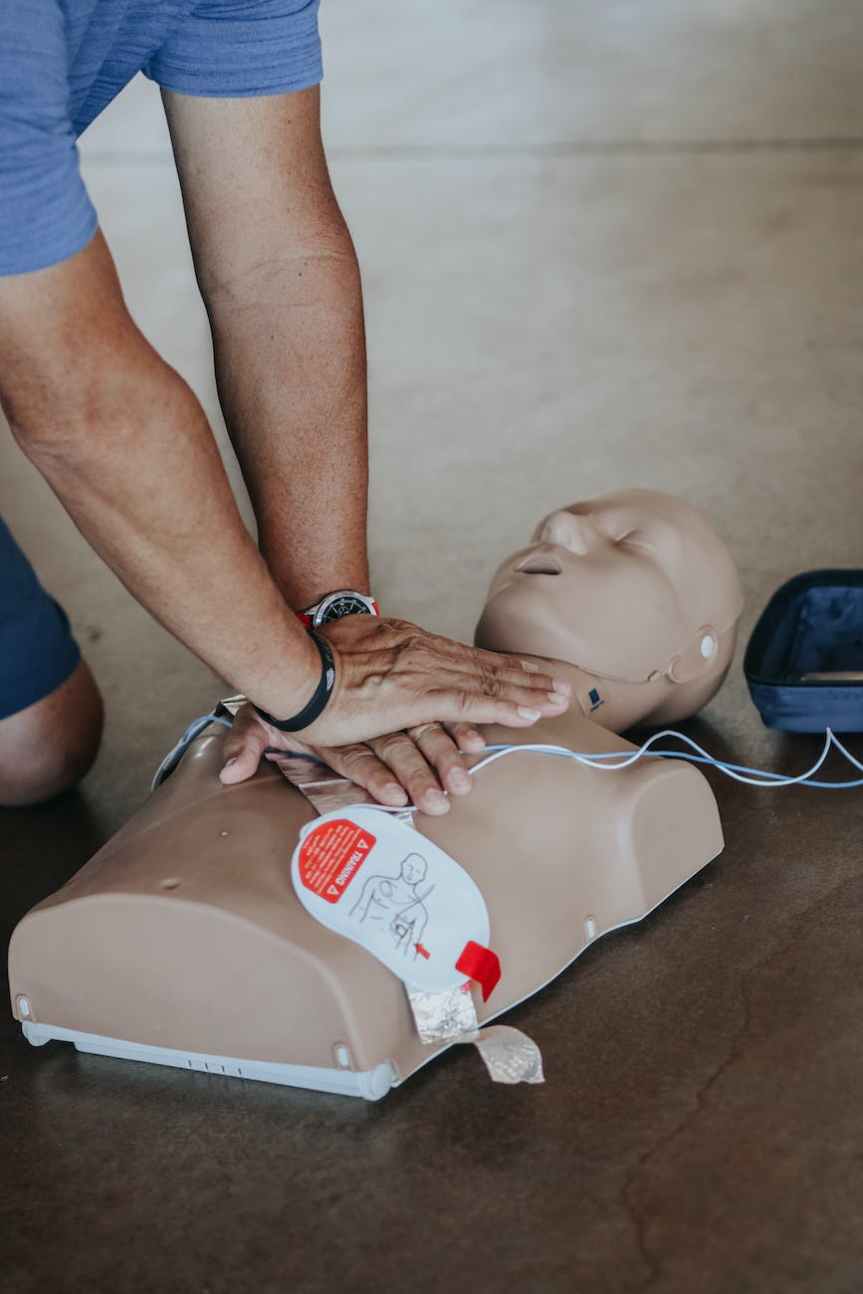
Cardiopulmonary Resuscitation (CPR) is a critical life-saving technique that can significantly increase the chances of survival for someone experiencing a cardiac arrest. Understanding what CPR is and how to perform it properly is essential knowledge that can empower individuals to respond effectively in emergency situations.
What is CPR?
Cardiopulmonary Resuscitation (CPR) is an emergency procedure performed on individuals who have experienced a sudden cardiac arrest. CPR involves a combination of chest compressions and rescue breaths to maintain blood circulation and provide oxygen to the brain and vital organs until professional medical help arrives.
Importance of CPR:
- Immediate Response: Performing CPR as soon as possible after a cardiac arrest can significantly improve the chances of survival. The first few minutes are crucial, and the actions taken by bystanders can make a life-saving difference.
- Circulation and Oxygenation: CPR helps maintain blood flow to the heart and brain, providing oxygen to vital organs. This sustained circulation can keep the person alive until advanced medical care, such as defibrillation or other interventions, can be administered.
- Bridge to Defibrillation: CPR serves as a bridge to defibrillation, a procedure that delivers an electric shock to the heart to restore a normal rhythm. CPR helps prime the heart for defibrillation and increases the likelihood of a successful outcome.
Basic Steps of CPR:
- Assess the Situation: Ensure that the area is safe for both you and the victim. Check if the person is responsive and if they are breathing normally.
- Call for Help: If the person is unresponsive and not breathing normally, or only gasping, immediately call the emergency services or ask someone nearby to do so.
- Perform Chest Compressions:
- Place the heel of one hand in the center of the person’s chest, between the nipples.
- Place your other hand on top of the first hand, interlocking your fingers.
- Position your body directly over your hands, with your arms straight.
- Push hard and fast, aiming for a depth of around 2 inches (5 centimeters).
- Perform compressions at a rate of around 100 to 120 compressions per minute.
- Rescue Breaths (If Trained and Comfortable):
- Tilt the person’s head back slightly and lift the chin to open the airway.
- Pinch the person’s nose shut and cover their mouth with yours, creating an airtight seal.
- Give two rescue breaths, each lasting about one second, watching for the chest to rise.
- Continue Cycles of Compressions and Breaths:
- Continue cycles of 30 compressions followed by two rescue breaths.
- Minimize interruptions in compressions to maintain blood flow.
Remember, even if you are not trained in CPR or unsure about rescue breaths, providing chest compressions alone can still make a significant impact until professional help arrives.
CPR is a crucial technique that can save lives during cardiac emergencies. By performing chest compressions and, if trained, rescue breaths, individuals can help maintain blood circulation and provide oxygen until professional medical assistance arrives. Learning CPR and staying up-to-date with refresher courses equips individuals with the skills to confidently respond in emergency situations, potentially making a life-saving difference for someone in need.
You may contact our Instructors in case you want to learn more about CPR
Discover more from LBS Healthcare
Subscribe to get the latest posts sent to your email.
