
Coronary artery disease (CAD) is a prevalent cardiovascular condition affecting millions of individuals worldwide. To diagnose and treat CAD, medical professionals employ various procedures such as coronary angiography and angioplasty. This article aims to provide a general understanding of coronary angiography, highlighting its types, while also explaining how it differs from angioplasty.
What is Coronary Angiography?
Coronary angiography is a medical procedure that allows healthcare providers to examine the coronary arteries, which supply oxygen-rich blood to the heart muscle. It helps identify blockages, narrowing, or other abnormalities within these arteries. The test employs a special dye called a contrast medium, which is injected into the arteries to make them visible on X-ray images.
Procedure:
- Preparation: Before the procedure, the patient is usually given sedatives and local anesthesia. The healthcare team will place a catheter (a thin, flexible tube) into an artery, usually in the groin or wrist.
- Catheter Insertion: Using imaging guidance, the catheter is carefully threaded through the artery and positioned near the coronary arteries.
- Contrast Injection: The contrast medium is injected through the catheter, allowing it to flow into the coronary arteries.
- X-ray Imaging: X-ray images are taken as the contrast medium fills the coronary arteries, revealing any blockages or abnormalities.
- Completion: Once the procedure is complete, the catheter is removed, and the insertion site is typically closed and bandaged.
Types of Coronary Angiography:
- Conventional Coronary Angiography: Also known as invasive angiography, it involves inserting a catheter directly into the coronary arteries to visualize them.
- CT Coronary Angiography (CTCA): This non-invasive technique uses computed tomography (CT) imaging to create detailed images of the coronary arteries. It requires the injection of a contrast dye and provides information about the presence and extent of blockages.
How does Coronary Angiography differ from Angioplasty?
Coronary angiography and angioplasty are related procedures, but they serve different purposes:
- Coronary Angiography: Primarily a diagnostic procedure, coronary angiography helps identify blockages or narrowings in the coronary arteries. It provides detailed information to guide further treatment decisions.
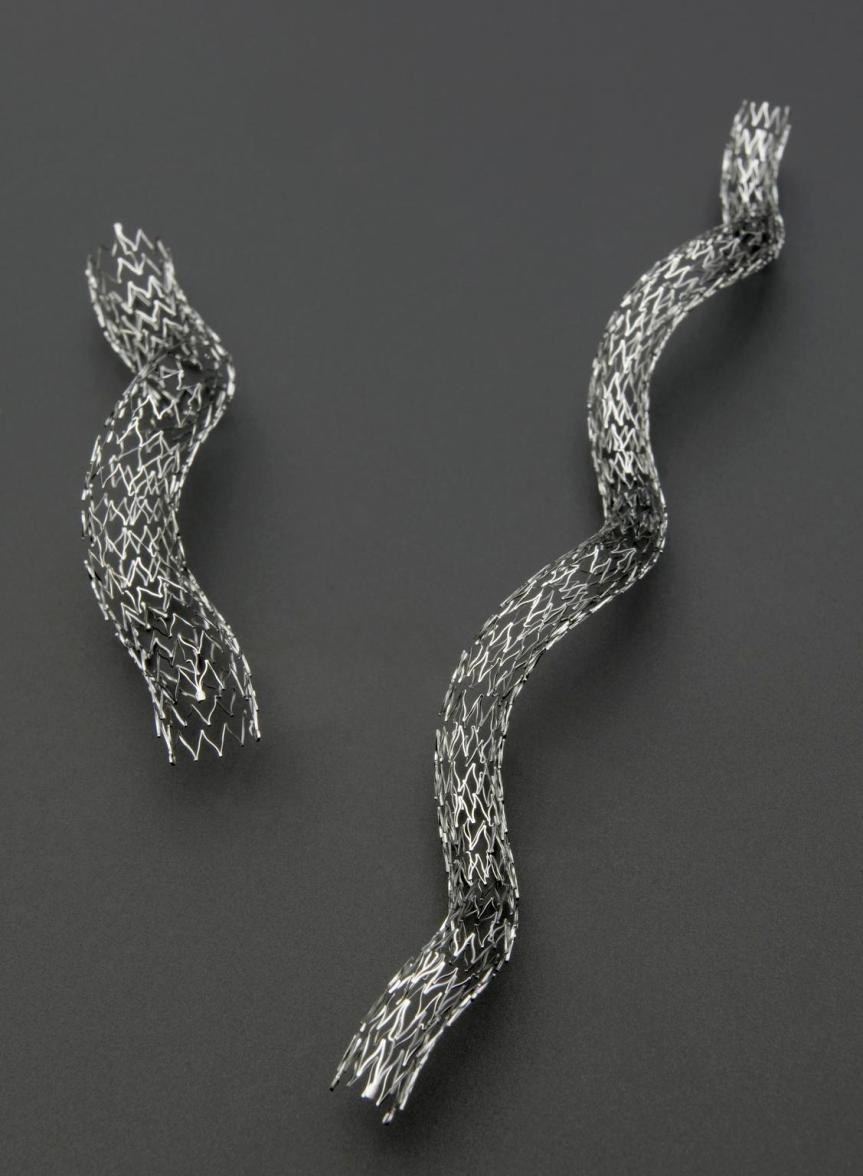
- Angioplasty: Also known as percutaneous coronary intervention (PCI), angioplasty is a therapeutic procedure used to treat blockages found during coronary angiography. It involves using a balloon-tipped catheter to dilate the narrowed or blocked artery and often includes stent placement to keep the artery open.
Coronary angiography plays a crucial role in the diagnosis and treatment planning of coronary artery disease. By visualizing the coronary arteries, healthcare professionals can identify blockages and determine the most appropriate course of action. Different types of angiography, such as conventional coronary angiography and CT coronary angiography, provide valuable insights into the condition of the coronary arteries. It is essential to understand that while angiography is a diagnostic procedure, angioplasty is a therapeutic intervention aimed at restoring blood flow to the heart. If you have concerns about your heart health, consult with a healthcare professional to determine the most suitable approach for your condition.
Discover more from LBS Healthcare
Subscribe to get the latest posts sent to your email.
