
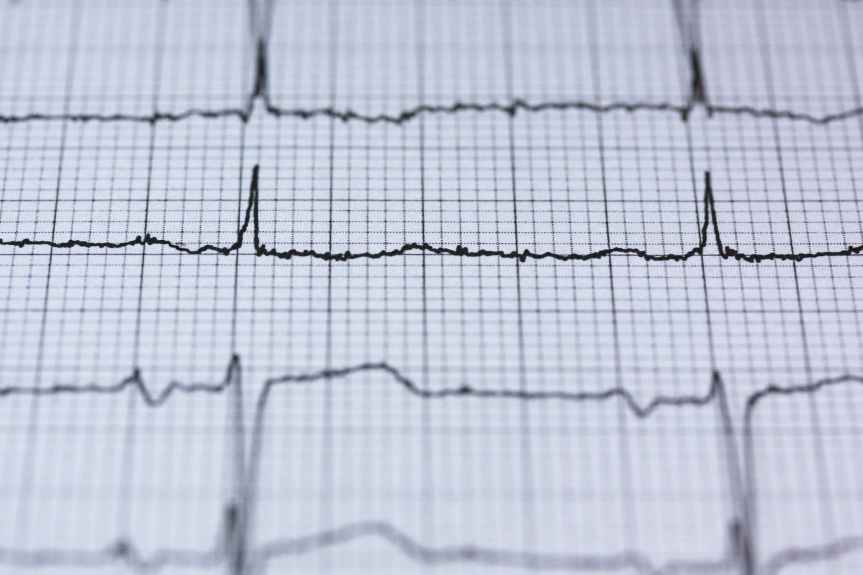
Atrial fibrillation (AFib or most commonly called AF) is a prevalent heart rhythm disorder that affects millions of individuals worldwide. It occurs when the electrical signals controlling the heart’s rhythm become chaotic, leading to an irregular and often rapid heartbeat.
What is Atrial Fibrillation?
Atrial fibrillation is a condition in which the upper chambers of the heart (atria) beat irregularly and rapidly. Instead of contracting in a coordinated manner, the atria quiver or fibrillate, which disrupts the normal flow of blood into the lower chambers (ventricles) of the heart. This irregular heart rhythm can result in poor blood flow, increasing the risk of blood clots, stroke, and other complications.
Causes and Risk Factors: The exact cause of atrial fibrillation can vary, but several factors contribute to its development:
- Age: AFib is more common in older adults, with the risk increasing significantly after the age of 60.
- Heart Conditions: Pre-existing heart conditions such as coronary artery disease, heart valve disorders, heart failure, or a history of heart attacks can increase the likelihood of developing AFib.
- High Blood Pressure: Uncontrolled high blood pressure can strain the heart and increase the risk of atrial fibrillation.
- Lifestyle Factors: Obesity, excessive alcohol consumption, smoking, and drug abuse can contribute to the development of AFib.
- Other Medical Conditions: Conditions like thyroid problems, sleep apnea, diabetes, and chronic kidney disease can raise the risk of AFib.
Symptoms: The symptoms of atrial fibrillation can vary from person to person. Some individuals may not experience any noticeable symptoms, while others may experience:
- Irregular or rapid heartbeat (palpitations)
- Fatigue or weakness
- Shortness of breath or difficulty breathing
- Dizziness or lightheadedness
- Chest pain or discomfort
Complications: If left untreated, atrial fibrillation can lead to several complications:
- Stroke: The irregular blood flow in the atria can cause blood clots to form. If a clot travels to the brain, it can cause a stroke.
- Heart Failure: Over time, the irregular heart rhythm can weaken the heart muscle, leading to heart failure.
- Chronic Fatigue: The persistent irregular heartbeat can cause ongoing fatigue and reduced quality of life.
- Increased Risk of Other Heart Problems: AFib can increase the risk of other heart-related conditions, such as heart attacks and heart valve disorders.
Treatment Options: Treatment for atrial fibrillation aims to control the heart’s rhythm, prevent blood clots, and manage underlying health conditions. Treatment options include:
- Medications: Antiarrhythmic drugs, anticoagulants (blood thinners), and rate-control medications may be prescribed to control heart rhythm and reduce the risk of stroke.
- Cardioversion: This procedure uses electrical shocks or medications to restore a normal heart rhythm.
- Catheter Ablation: It is a minimally invasive procedure that destroys the abnormal heart tissue responsible for the irregular rhythm.
- Lifestyle Modifications: Lifestyle changes such as maintaining a healthy weight, exercising regularly, managing stress, quitting smoking, limiting alcohol consumption, and controlling blood pressure can help manage AFib.
Atrial fibrillation is a common heart rhythm disorder that can have a significant impact on a person’s health and quality of life. Understanding its causes, symptoms, and potential complications is crucial for early detection and management. If you suspect you may have AFib or experience any related symptoms, consult a healthcare professional for an accurate diagnosis and appropriate treatment plan. With proper management and lifestyle modifications, individuals with AFib can lead fulfilling lives while reducing the risk of complications associated with this condition.
Discover more from LBS Healthcare
Subscribe to get the latest posts sent to your email.
