
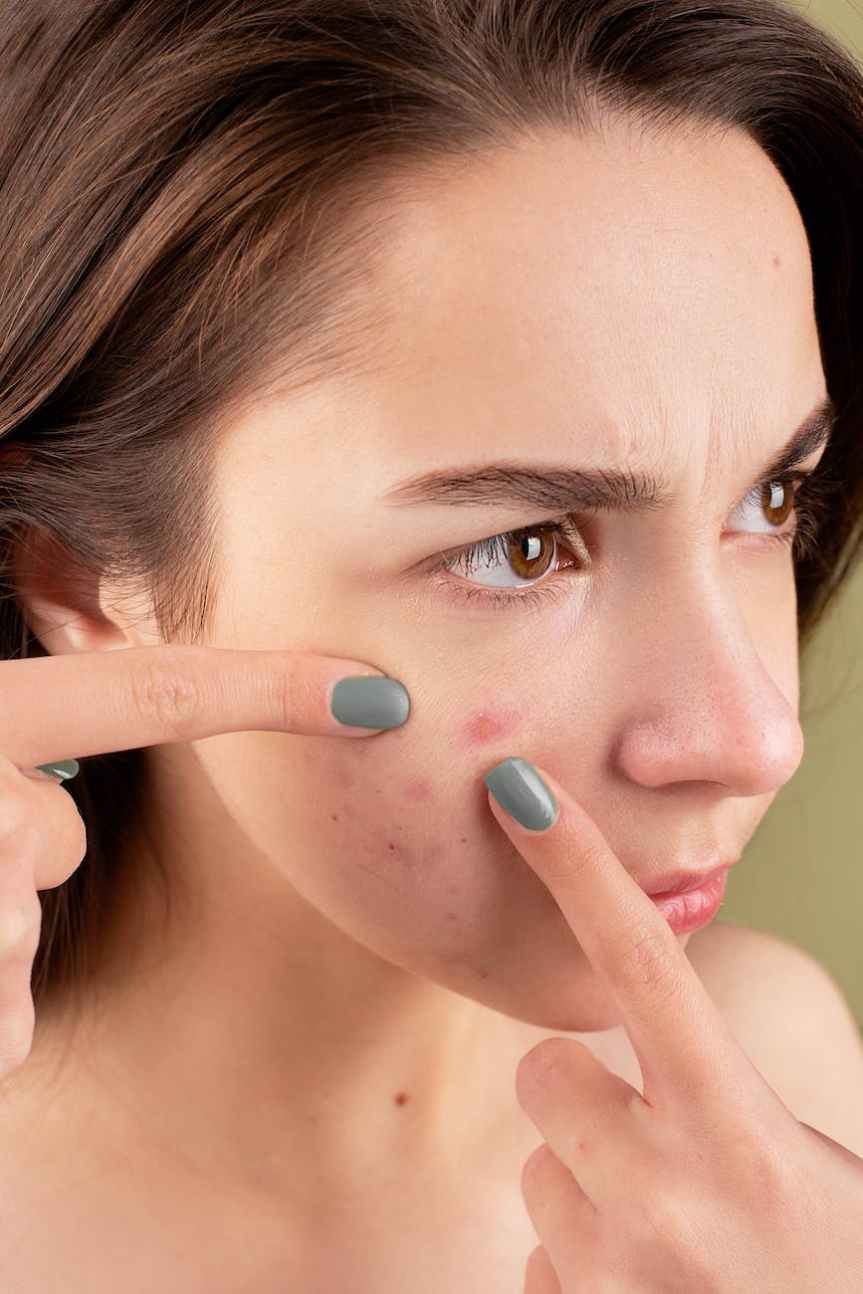
Acne is a common skin condition that affects millions of people worldwide. It can have a significant impact on an individual’s self-esteem and quality of life.
Acne is a skin disorder characterized by the formation of pimples, blackheads, whiteheads, and in severe cases, cysts or nodules. It primarily affects the face, but can also appear on the neck, chest, back, and shoulders. Acne occurs when hair follicles become clogged with oil, dead skin cells, and bacteria.
Causes of Acne:
- Excess Oil Production: The overproduction of sebum (oil) by the sebaceous glands is a primary contributor to acne. This excess oil can clog the hair follicles and lead to the development of acne lesions.
- Hormonal Changes: Fluctuations in hormone levels, especially during puberty, menstrual cycles, and pregnancy, can trigger acne breakouts. Androgens, a type of hormone, stimulate oil production, contributing to the development of acne.
- Bacterial Infection: Propionibacterium acnes, a type of bacteria present on the skin, can multiply and cause inflammation within the clogged hair follicles, leading to acne.
- Clogged Pores: Dead skin cells can accumulate and mix with sebum, resulting in the formation of comedones (blackheads and whiteheads), which can progress to inflamed pimples.
Types of Acne:
- Comedonal Acne: Characterized by the presence of blackheads and whiteheads, comedonal acne is non-inflammatory and usually appears on the forehead, nose, and chin.
- Inflammatory Acne: This type of acne involves red, swollen, and painful lesions, including papules (small red bumps), pustules (pus-filled lesions), and nodules (large, deep-seated painful bumps).
- Cystic Acne: Considered the most severe form of acne, cystic acne is characterized by large, painful cysts or nodules that can cause scarring. It often requires medical intervention for treatment.
Treatment Options:
- Topical Treatments: some of the over-the-counter or prescription creams, gels, and lotions help in relieving of acne. Please consult your dermatologist to discuss which one is best for you. They can help unclog pores, reduce inflammation, and promote skin cell turnover.
- Oral Medications: In cases of moderate to severe acne, oral medications such as antibiotics, hormonal therapies (like oral contraceptives), or isotretinoin (a powerful acne medication) may be prescribed but please discuss with your doctor before using them.
- Professional Procedures: Dermatologists can perform procedures like chemical peels, microdermabrasion, or laser therapy to improve acne symptoms and reduce scarring.
- Skincare Practices: Gentle cleansing of the skin, avoiding excessive scrubbing or picking at acne lesions, and using non-comedogenic (non-pore-clogging) skincare products can help manage acne.
Preventing Acne:
- Maintain a Consistent Skincare Routine: Cleanse your face twice a day using a gentle cleanser and moisturize regularly.
- Avoid Touching Your Face: Touching your face can transfer bacteria and irritants, exacerbating acne breakouts.
- Choose Non-Comedogenic Products: Use skincare and cosmetic products labeled as non-comedogenic to prevent clogging of pores.
- Healthy Lifestyle Habits: Follow a balanced diet, exercise regularly, manage stress levels, and get enough sleep to support overall skin health.
Acne is a common skin condition that affects individuals of all ages. By understanding the causes, types, and treatment options available, individuals can take proactive steps to manage and prevent acne. Remember, it is essential to consult with a dermatologist for personalized advice and treatment recommendations based on the severity of your acne. With proper care and guidance, acne can be effectively managed, leading to healthier and clearer skin.
Discover more from LBS Healthcare
Subscribe to get the latest posts sent to your email.
