
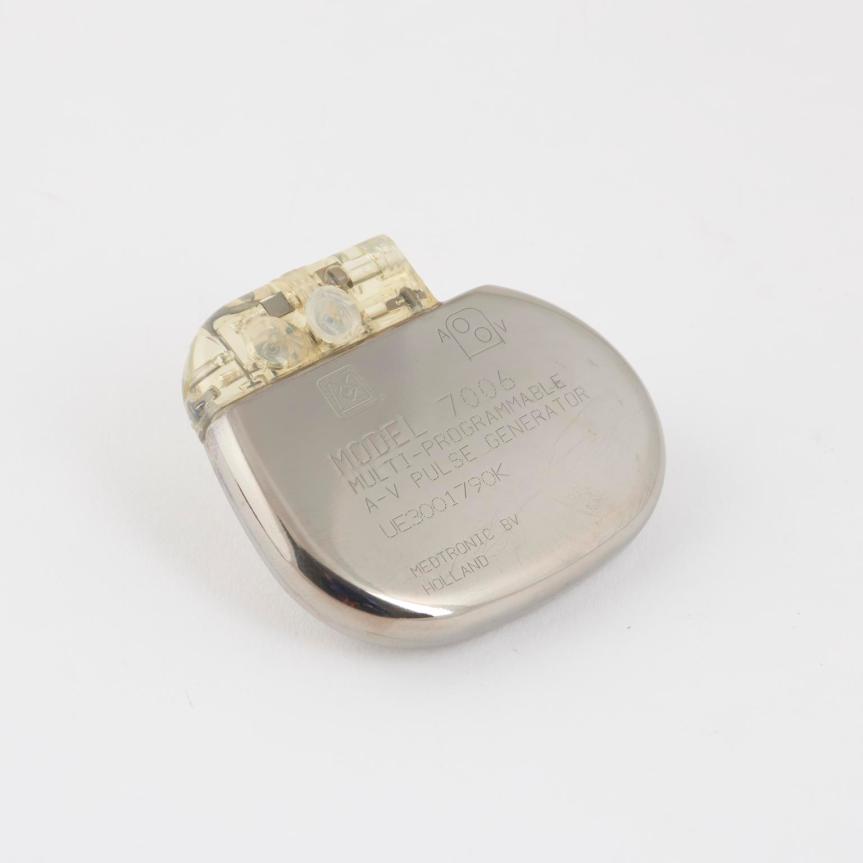
A pacemaker is a medical device that helps regulate a person’s heart rate. It consists of a small generator and electrodes, which are implanted into the heart muscle. The generator sends electrical impulses to the heart to help it beat in a regular rhythm.
Pacemakers are typically used to treat conditions such as bradycardia, which is a slow heart rate, and heart block, which is when the electrical signals that control the heartbeat are delayed. They can also help improve the quality of life for people with heart failure or heart rhythm disorders.
The procedure for getting a pacemaker implanted is usually performed as a minimally invasive surgery. The patient is usually awake during the procedure, but sedated to help them relax. The generator and electrodes are inserted through a small incision in the chest or abdomen and then connected to the heart.
After the pacemaker is implanted, the patient’s heart rate and rhythm are monitored regularly to ensure the device is functioning correctly. Some pacemakers have features that allow them to adjust their pacing based on the patient’s activity level or heart rate, which can help improve the patient’s quality of life.
Overall, pacemakers are a safe and effective treatment option for many people with heart rhythm disorders. If you are experiencing symptoms such as dizziness, fainting, or shortness of breath, it is important to speak with your doctor to determine if a pacemaker may be right for you.
Discover more from LBS Healthcare
Subscribe to get the latest posts sent to your email.
